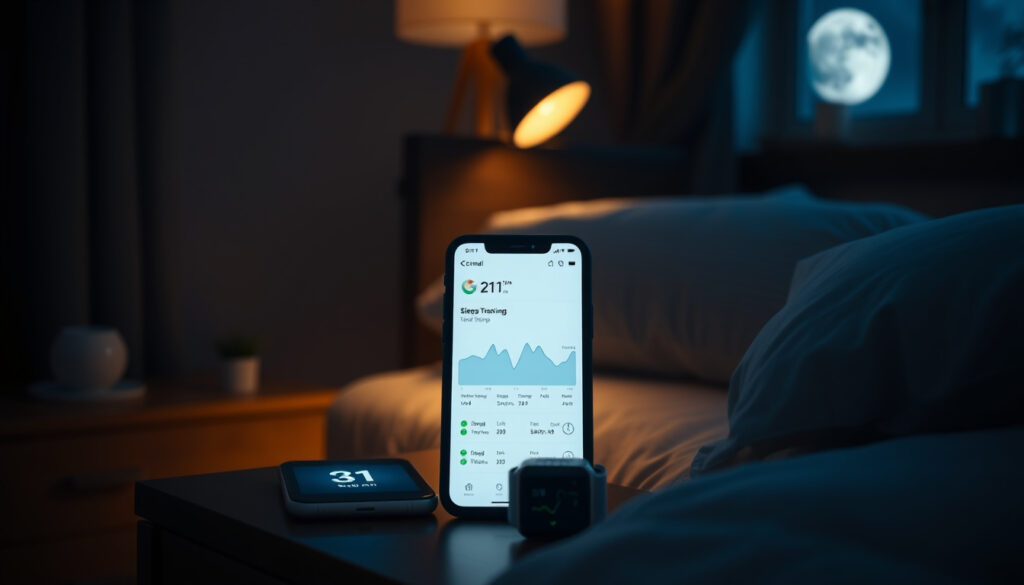
Best Sleep Tracking Apps – Free for iPhone Android Watch
Sleep tracking has become an essential tool for anyone looking to understand and improve their nightly rest. Whether you’re using an iPhone, Android device, or an Apple Watch, numerous applications now offer the ability to monitor sleep patterns without requiring expensive equipment or subscriptions.
These apps range from simple movement-based trackers to sophisticated systems using sonar technology to analyze breathing patterns. The right choice depends largely on your device ecosystem, whether you own a wearable, and how much detail you want in your sleep data.
This guide examines the most effective free sleep tracking options across different platforms, with input from expert testing and community feedback to help you make an informed decision.
What Are the Best Free Sleep Tracking Apps?
Several sleep tracking applications stand out for their combination of accuracy, features, and accessibility. Understanding their core differences helps narrow down the best choice for your situation.
Most sleep tracking apps are available across iOS and Android, though some features may differ between platforms. Always check current app store listings for the most up-to-date feature availability.
| App | Platform | Price | Key Features | Accuracy |
|---|---|---|---|---|
| Sleep Cycle | iOS, Android | Free core version | Smart alarm, sound-based tracking | Moderate (60–70%) |
| SleepScore | iOS, Android | Limited free version | Sonar technology, daily sleep score | High (70–80%) |
| Sleep++ | iOS + Apple Watch | Completely free | Automatic tracking, no subscriptions | High (80–85%) |
| Pillow | iOS, Apple Watch | Basic free | Apple Health integration, heart rate | High (75–85%) |
| Samsung Health | Android, Galaxy Watch | Built-in and free | Full ecosystem integration | High (80–90%) |
- Sound-based trackers like Sleep Cycle and SleepScore require no wearable, using your phone’s microphone to detect movement and breathing patterns.
- Wearable-dependent apps such as Sleep++ and Pillow provide higher accuracy by leveraging dedicated sensors on Apple Watch.
- Platform-native solutions like Samsung Health offer seamless integration for users already within that ecosystem.
- Free versions typically include core tracking features, with premium upgrades available for detailed insights.
- Smart alarms that wake you during light sleep phases are a popular feature across multiple apps.
- Integration with Apple Health or Google Fit allows sleep data to combine with other health metrics.
- Accuracy varies based on phone microphone quality and sensor precision in wearables.
Best Sleep Tracking Apps for iPhone and Apple Watch
Apple Watch owners have access to some of the most accurate consumer sleep tracking available. The dedicated sensors in the watch provide reliable data that phone-based apps simply cannot match.
Sleep++: The Simplest Option
Sleep++ offers fully automatic tracking through Apple Watch sensors, requiring no manual input once configured. Users simply wear their watch to bed, and the app handles the rest. The high accuracy rating of 80–85% makes it one of the most reliable free options for Apple Watch owners. There are no subscriptions or in-app purchases required, making it a genuinely free solution.
Pillow: Deeper Integration
Pillow integrates directly with Apple Health, allowing sleep data to flow seamlessly into your broader health dashboard. Beyond basic sleep tracking, it monitors heart rate during sleep and breaks down rest into different stages. The free basic version provides core functionality, while premium features offer more detailed analysis and trends. For those interested in cognitive training alongside sleep improvement, word finder tools can complement your nightly rest tracking routine.
Understanding Core Sleep vs. Deep Sleep on Apple Watch
Apple Watch and compatible apps track multiple sleep phases, though the exact terminology can vary. Core sleep generally refers to the foundational rest your body needs, while deep sleep and REM stages contribute to physical restoration and cognitive function. Multiple apps track these distinct phases, providing insight into whether your sleep architecture is balanced.
Apps like Pillow and Sleep++ break down your night into light sleep, deep sleep, and REM stages. While the accuracy of consumer devices for precise stage detection is limited compared to clinical sleep studies, these apps provide useful trends over time.
Best Sleep Tracking Apps for Android
Android users have a diverse range of options, from built-in ecosystem solutions to independent apps available through the Google Play Store.
Samsung Health: The Galaxy Standard
For Galaxy device owners, Samsung Health provides the most comprehensive experience, offering built-in sleep tracking as part of the full health ecosystem. With high accuracy ratings of 80–90% when used with Galaxy Watch devices, it represents the most accurate option for Samsung users. The feature comes built into Samsung devices at no additional cost.
Sleep Cycle on Android
Sleep Cycle brings its sound-based tracking approach to Android devices, analyzing sleep through the phone’s microphone. The app offers the same smart alarm functionality available on iOS, helping users wake during optimal sleep phases to reduce morning grogginess. Moderate accuracy of 60–70% is typical for sound-based methods without dedicated sensors.
SleepScore for Android
SleepScore uses sonar technology to measure breathing and movement through sound waves, requiring no contact or wearable device. This approach delivers high accuracy of 70–80% while remaining completely contactless. The free limited version generates a daily sleep score and breaks down rest into stages and efficiency metrics.
Best Sleep Tracker Apps Without a Wearable
Not everyone owns an Apple Watch or Galaxy Watch, and many users prefer not to wear a device while sleeping. Several apps cater specifically to this audience by using phone-based sensors instead.
Sound-Based Tracking Methods
Sleep Cycle and SleepScore both use your phone’s microphone to monitor movement and breathing patterns throughout the night. This approach requires placing your phone on the nightstand or bed, where it can detect the subtle sounds and motions associated with sleep. While less accurate than wearable sensors, these apps provide valuable insights without any additional hardware.
Accuracy Considerations
Phone microphone quality significantly affects the accuracy of sound-based sleep tracking. Higher-end smartphones generally capture more precise audio data, leading to better sleep analysis. Environmental factors such as room noise and partner disturbances can also influence readings. Despite these limitations, sound-based tracking remains a practical entry point for sleep monitoring.
For sound-based sleep tracking apps to work effectively, your phone must be positioned close enough to detect breathing patterns. Placing it on the nightstand within arm’s reach typically produces better results than positioning it across the room.
Top Sleep Tracking Apps According to Reddit and Users
Community discussions provide valuable real-world perspectives that supplement expert reviews. Reddit discussions in Apple Watch communities highlight user preferences and practical experiences with different applications.
Reddit Community Insights
Discussions in forums like those found on Reddit reveal that users value simplicity, accuracy, and battery preservation when choosing sleep tracking apps. Many Apple Watch owners prefer Sleep++ for its zero-cost model and automatic functionality, while others opt for Pillow when they want deeper integration with Apple Health. The absence of subscriptions emerges as a significant factor in user satisfaction.
Expert vs. User Perspectives
Expert testing, such as that conducted by professional review organizations, tends to emphasize accuracy metrics and feature completeness. User communities often prioritize ease of use and the absence of paywalls. Combining both perspectives provides a more complete picture of what each app offers. According to reviews from the New York Times Wirecutter, accuracy and consistency matter most for long-term sleep tracking goals.
How Sleep Tracking Technology Has Evolved
Sleep tracking applications have undergone significant development since early movement-based monitors. Understanding this progression helps contextualize current capabilities and limitations.
- 2008: Sleep Cycle launched as one of the first smartphone sleep tracking applications, using accelerometer data to detect movement patterns during sleep.
- 2014: Apple introduced HealthKit with iOS 8, enabling standardized health data collection including sleep information.
- 2015: Apple Watch gained sleep tracking capabilities through third-party applications following hardware sensor improvements.
- 2018: SleepScore introduced sonar technology, offering a new approach to contactless sleep measurement.
- 2020: Samsung expanded Health features to include comprehensive sleep analysis across Galaxy devices and watches.
- 2023-2025: AI integration improved sound-based tracking accuracy, narrowing the gap with wearable-dependent methods.
What We Know and What Remains Unclear About Sleep Tracking Accuracy
Transparency about what sleep tracking apps can and cannot measure accurately serves users better than inflated claims.
| Established Information | Information That Remains Unclear |
|---|---|
| Wearable-based tracking consistently outperforms phone-based methods. | Precise sleep stage detection accuracy of consumer devices compared to clinical PSG studies. |
| Sound-based tracking accuracy varies significantly by phone microphone quality. | Long-term consistency of sleep measurements across different nights. |
| Apple Watch sensors provide 80–85% accuracy for sleep tracking. | How environmental factors like room temperature affect sensor readings. |
| Sleep Cycle and SleepScore both use AI to analyze audio data. | Whether free versions of apps provide sufficiently accurate data for meaningful health insights. |
| Core sleep, deep sleep, and REM stages are tracked by most apps, though terminology varies. | How different algorithms compare when tracking the same individual across multiple nights. |
The Technology Behind Sleep Tracking
Sleep tracking applications rely on several distinct technologies to detect and analyze sleep patterns. Each approach has strengths and limitations worth understanding.
Sound-based trackers use your phone’s microphone to detect breathing patterns and body movements. The audio data is processed through AI algorithms that identify sleep phases based on the sounds produced during different stages of sleep. This method works without any contact but requires proper phone placement.
Sonar technology, used by SleepScore, emits sound waves that bounce off the sleeper and return to the phone. Movement and breathing cause subtle changes in these waves that algorithms can interpret as sleep data. This approach offers higher accuracy than basic sound detection while remaining contactless.
Wearable devices like Apple Watch use a combination of accelerometer data and, in some models, infrared sensors to detect movement and blood flow patterns. The dedicated hardware provides more consistent readings than phone-based alternatives, though accuracy still falls short of clinical sleep studies.
What Sources Say About Sleep Tracking Apps
Expert sources provide valuable context for evaluating sleep tracking applications beyond marketing claims.
The Sleep Foundation notes that multiple apps track deep sleep and REM sleep stages, which are distinct phases that contribute to physical restoration and cognitive function. However, they caution that consumer-grade devices cannot match the precision of clinical sleep studies.
Source: Sleep Foundation
Reviews from professional testing organizations emphasize that accuracy and consistency matter more than any single feature when selecting a sleep tracking app for long-term use.
Source: New York Times Wirecutter
Summary and Next Steps
Choosing the right sleep tracking app depends on your specific situation. Apple Watch owners benefit most from Sleep++ or Pillow for their high accuracy and zero-cost entry point. Android users with Galaxy devices should start with Samsung Health, while those without wearables can achieve reasonable results with Sleep Cycle or SleepScore using sound-based tracking. For additional health tracking capabilities, consider exploring flight tracker apps that integrate health data, or word finder tools for cognitive training alongside sleep improvement.
Frequently Asked Questions
How much does Sleep Cycle cost?
Sleep Cycle offers a completely free core version with essential tracking features. Premium upgrades with additional insights and analysis are available through in-app purchases.
How do I use the Sleep Cycle app?
Place your phone on the nightstand or bed, open Sleep Cycle, and start tracking before sleep. The app uses your phone’s microphone to monitor sounds and movement throughout the night, automatically analyzing your sleep when you wake.
What is the Sleep Cycle app?
Sleep Cycle is a sound-based sleep tracking application that uses AI to analyze sleep through your phone’s microphone. It offers smart alarm functionality that wakes you during light sleep phases to reduce morning grogginess.
What is the best free sleep tracking app for Apple Watch?
Sleep++ and Pillow are both free options for Apple Watch users. Sleep++ offers fully automatic tracking with no subscriptions, while Pillow provides deeper Apple Health integration with a free basic tier.
Can I track sleep without a wearable?
Yes, sound-based apps like Sleep Cycle and SleepScore track sleep using only your phone’s microphone, requiring no wearable device. Accuracy is moderate but sufficient for general sleep pattern insights.
What is core sleep vs. deep sleep on Apple Watch?
Core sleep refers to foundational rest periods, while deep sleep and REM stages represent phases for physical restoration and cognitive function. Apple Watch and compatible apps track these distinct phases, though consumer devices cannot precisely match clinical sleep study accuracy.
More related posts
 All Blacks Player Ratings 2025: Top Performers, Highest Paid
 Heat Pump Installation Christchurch – 2025 Costs & Top Installers
 La Porchetta Dunedin Menu: Prices, Specials, Hours & Reviews
 Social Kitchen New Plymouth: Menu, Prices, Hours & Reviews
 Grow a Garden Script 2026: Get It Safely Without Getting Banned
 Terriers for Sale NZ – Prices, Breeds & Tips
 Lyall Bay Surf Forecast: 7-Day Report, Cams & Conditions
 Auckland to Sydney Flights: Prices, Duration & Airlines