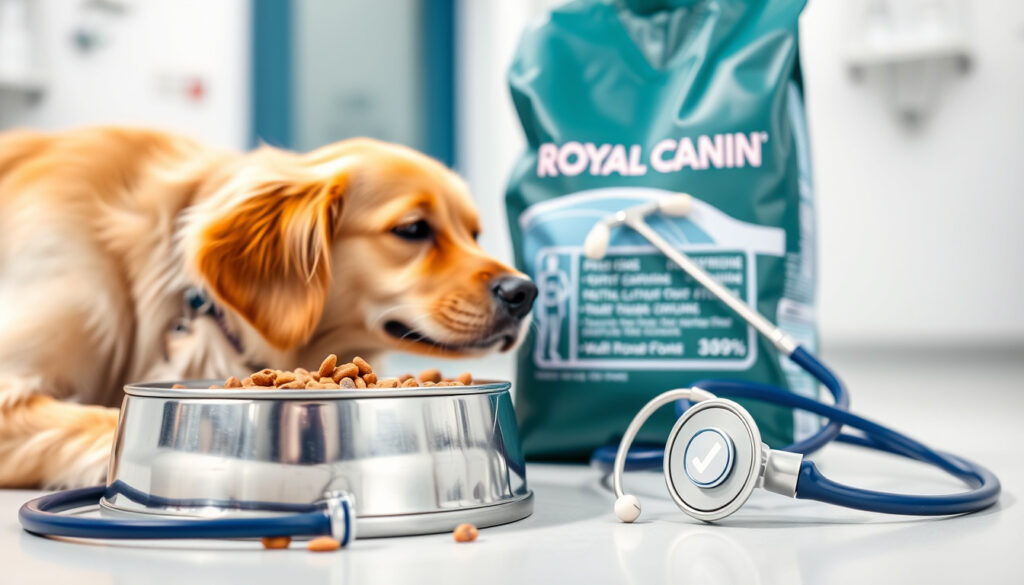
Royal Canin Dog Food Review: Is It Worth the Price? Vet Insights
If you’ve ever stood in the pet food aisle wondering why so many bags carry a veterinarian’s tag, you’ve probably run into Royal Canin. It’s the brand that seems to come up in every vet clinic conversation — and just as often in heated online debates over ingredients and price. With over 70 specialized formulas and a reputation that splits pet owners into camps, it’s worth taking a close look at what’s really inside those bags and whether the science matches the sticker shock.
Years in market: Since 1968 Royal Canin (company history) ·
Formulas available: Over 70 Royal Canin (product range) ·
Parent company: Mars, Incorporated Wikipedia (corporate ownership)
Quick snapshot
- Royal Canin is widely recommended by veterinarians. Pet Food Reviews Australia (independent reviewer)
- Royal Canin offers over 70 breed-specific and health-condition formulas. Royal Canin (product page)
- The brand has been owned by Mars Inc. since 2001. Wikipedia (ownership history)
- Whether the ingredient quality justifies the premium price compared to other brands. Dog Food Advisor (ingredient analysis)
- The long-term health impact of feeding Royal Canin exclusively — lack of independent long-term studies. Dogs Naturally Magazine (independent review)
- Voluntary recall in 2021 for elevated vitamin D levels in select formulas. FDA (recall notification)
- Royal Canin continues to expand breed-specific lines, targeting narrower health niches. Royal Canin (new product announcements)
The following table summarizes the key facts about Royal Canin.
| Attribute | Value |
|---|---|
| Brand | Royal Canin |
| Parent Company | Mars Inc. Wikipedia (corporate ownership) |
| Founded | 1968 |
| Headquarters | Aimargues, France |
| Formulas Available | 70+ |
Is Royal Canin good or bad for dogs?
Answering that question depends on how you define “good.” Look at what the food actually contains and how it’s used.
What makes a dog food ‘good’?
- Balanced nutrition that meets AAFCO standards for the dog’s life stage.
- High-quality protein sources listed early on the ingredient panel.
- Minimal reliance on fillers (corn, wheat, soy) and artificial preservatives.
Royal Canin’s breed-specific and therapeutic formulas are formulated by a team that includes over 200 veterinarians and nutritionists. But the ingredient lists often start with chicken by‑product meal, corn, and wheat — ingredients that many premium competitors avoid.
Common criticisms against Royal Canin
- High carbohydrate content: Dogs Naturally Magazine estimates that Royal Canin dry recipes average 38–40% carbohydrates.
- Use of by-products and fillers: Pet Food Reviews Australia lists dehydrated poultry protein, maize flour, maize, and wheat as common ingredients.
- Controversial additives: Dog Food Advisor flags sodium selenite and menadione in some breed-specific formulas.
Dog owners who need a formula for a specific health issue (like urinary stones or renal disease) may get clinical benefits that outweigh ingredient concerns. But for an otherwise healthy dog, the high grain and by‑product profile is a real downgrade from many competitors at the same price point.
The implication: Royal Canin is neither uniformly good nor uniformly bad — it’s a tool with specific strengths and clear trade-offs.
Final verdict: For dogs with specific health needs, Royal Canin’s targeted formulas provide clinical benefits that can outweigh ingredient concerns. For healthy dogs, the high grain and by-product content make it a poor value compared to competitors.
Is Royal Canin worth the price?
A 15‑kg bag ranges from $50 to $70. That puts it in the premium tier, but the ingredient deck often looks mid‑market.
Ingredient quality versus cost
| Formula | Protein (dry matter) | Fat (dry matter) | Carbs (dry matter) |
|---|---|---|---|
| Royal Canin Labrador Retriever Adult | 29.6% | 11.6% | 50.8% Dog Food Advisor (nutrition data) |
| Royal Canin Medium Adult | ~25% | ~14% | ~38% All About Dog Food (nutrition analysis) |
| Royal Canin Gastrointestinal Low Fat | ~26% | ~8% | ~46% |
All About Dog Food rates Royal Canin Medium Adult at 37.65 out of 100, calling the result “poor”. For that price, you can often buy a grain‑free or limited‑ingredient diet with higher protein and fewer fillers from brands like Taste of the Wild or Orijen.
Comparative analysis with similar premium brands
| Brand | First ingredient | Protein (avg) | Grain content | Price (15kg) |
|---|---|---|---|---|
| Royal Canin | Chicken by‑product meal | ~27% | High (corn, wheat, rice) | $50–70 |
| Hill’s Science Diet | Chicken meal | ~25% | Moderate (brewer’s rice, whole grain) | $55–75 Hill’s Pet Nutrition (product page) |
| Purina Pro Plan | Real chicken (in many formulas) | ~28% | Moderate (rice, wheat) | $45–65 Purina (product page) |
| Taste of the Wild | Water buffalo, lamb meal | ~32% | Low (grain‑free) | $50–65 Taste of the Wild (product page) |
Royal Canin’s price is comparable to these competitors, but its ingredient profile — especially the reliance on by‑products and grains — matches what you’d expect from a lower‑cost brand. The justification for the price rests on clinical efficacy for specific conditions, not on raw ingredient quality.
Why do vets recommend Royal Canin?
Walk into any veterinary clinic and you’ll likely find Royal Canin bags stacked near the exam room. The reasons are part science, part marketing.
Scientific research and nutritional studies
- Royal Canin employs over 200 veterinarians and nutritionists.
- Formulas are tested in feeding trials, though the details are often proprietary.
- Breed-specific formulas adjust kibble shape and size to suit the dog’s jaw structure, which can improve oral health.
Partnerships and sponsorships with veterinary schools
Royal Canin funds research at veterinary colleges and provides free sample bags to clinics Royal Canin (veterinary program). This builds both good will and habitual prescribing. Dr. Ernie Ward, DVM, has noted that this practice can blur the line between education and marketing PetMD (veterinary commentary).
Vets recommend Royal Canin because it works for specific medical conditions — but those same vets often don’t rely on it for their own pets, preferring diets with fewer by‑products and grains. The clinical tool may not be the daily driver.
The pattern: Royal Canin’s vet recommendation is genuine for therapeutic use, but it is also bolstered by a business model that puts the brand directly in front of the prescriber.
What is the best dog food for dachshunds?
Dachshunds have long backs and short legs, making joint and weight management key. Royal Canin offers a dedicated Dachshund formula.
Royal Canin Dachshund formula overview
- Small, specially shaped kibble to fit a dachshund’s mouth Royal Canin (Dachshund page).
- Added glucosamine and chondroitin for joint support
- Controlled calorie content to prevent obesity — a major risk factor for IVDD
Alternatives for dachshund owners
Hill’s Science Diet Small Paws and Purina Pro Plan Small Breed offer similar joint support and calorie control, often with higher protein and fewer grains Hill’s Pet Nutrition (small breed formula)Purina (small breed formula). For dachshund owners who prioritize ingredient quality over breed‑specific marketing, those alternatives are worth comparing.
The takeaway: Royal Canin Dachshund formula is well‑designed for the breed’s structural needs, but it’s not the only option — and not necessarily the most nutrient‑dense.
What are the top 3 healthiest dog foods?
Ask five veterinary nutritionists and you’ll get five different lists. But a few brands appear repeatedly in the top tier.
Criteria for ‘healthiest’ dog food
- High‑quality protein (named meat, not by‑product meal) as first ingredient.
- Low carbohydrate content (ideally under 30% dry matter).
- Free from artificial preservatives and controversial additives like menadione.
Rankings from veterinary nutritionists
- Orijen — named meat first, 38% protein, grain‑free, biologically appropriate Orijen (product page).
- Taste of the Wild — novel proteins, grain‑free, moderate carb count
- Wellness CORE — deboned meat first, omega‑3s, probiotics Wellness Pet Food (CORE line).
Notably, Royal Canin seldom appears on such lists because its ingredients don’t meet the “clean label” standard that nutritionists use for general health.
Why this matters: the “healthiest” framing assumes no medical speciality. If your dog has a diagnosed condition, Royal Canin’s therapeutic diets may still be the right choice — but for preventive nutrition, the market offers better profiles.
Why not feed your dog Royal Canin?
Not every story about Royal Canin is positive. Some owners and critics point to real downsides.
Ingredient concerns: corn, wheat, and animal digest
- Many recipes list chicken by‑product meal as the first ingredient — a generic mix of rendered parts.
- Corn and wheat are common fillers that provide cheap calories but little digestible protein.
- Animal digest is a spray‑on palatant derived from unspecified tissue.
Controversies and recall history
- In 2021, Royal Canin voluntarily recalled certain dry dog foods for elevated vitamin D FDA (recall notice).
- Some owners report digestive issues (vomiting, diarrhea) after switching to Royal Canin, though this can happen with any diet change.
For a dog with a sensitive stomach or a grain allergy, Royal Canin’s wheat‑heavy recipes can be a problem. Owners who want a simple, clean ingredient list should look elsewhere.
The trade‑off: Royal Canin may provide targeted health benefits, but those benefits come with an ingredient profile that many dogs do not need to tolerate.
Upsides
- Widely recommended by veterinarians for specific health conditions
- Over 70 formulas, including breed‑specific and veterinary diets
- Feeding trials and R&D team of 200+ nutritionists and vets
- Unique kibble shapes for dental and jaw health
Downsides
- Low protein quality (by‑product meal, grains as primary sources)
- High carbohydrate content (38–50% dry matter)
- 2021 recall for elevated vitamin D
- Criticised by independent reviewers as overpriced for ingredients
“Royal Canin’s first ingredient in our breed‑specific formula is chicken by‑product meal — a common criticism among owners who prefer whole meat.”
Dog Food Advisor (ingredient analysis)
“Royal Canin canned recipes often contain carrageenan, a thickening agent that some owners avoid.”
Dogs Naturally Magazine (canned food review)
For an otherwise healthy dog in the United States, the choice is clear: you can get better ingredients at the same price from Orijen, Taste of the Wild, or Wellness. For a dog with a diagnosed condition like renal disease or urinary stones, Royal Canin’s therapeutic formulas remain a clinician‑backed tool that no alternative brand precisely replicates.
For a thorough look at the brand’s overall quality, check out this detailed Royal Canin review.
Frequently asked questions
Is Royal Canin grain-free?
Most Royal Canin formulas contain grains such as corn, wheat, and rice. The brand does offer a few grain‑free options under the Veterinary Diet line, but they are not the core of the range.
Does Royal Canin use meat by-products?
Yes. Many recipes list chicken by‑product meal or animal by‑product as the first or second ingredient.
What is the best Royal Canin formula for small dogs?
Royal Canin’s Small / Toy Breed formulas (e.g., Royal Canin Mini Adult) are designed for dogs up to 10 kg, with kibble size and nutrient balance for small breeds.
How do I transition my dog to Royal Canin?
Gradually mix the new food with the current diet over 7–10 days, increasing the proportion of Royal Canin each day. This helps reduce digestive upset.
Where can I buy Royal Canin at the cheapest price?
Prices vary by country. In the US, Chewy.com and Petco often have the best deals. In the UK, Pets at Home and Amazon UK are common sources. Compare prices between online retailers and local veterinary clinics.
Is Royal Canin suitable for dogs with allergies?
Royal Canin offers a Hypoallergenic diet (e.g., Hydrolyzed Protein) for suspected food allergies. Consult your veterinarian before switching.
Can Royal Canin cause allergies in dogs?
Some dogs may develop allergies to ingredients like chicken or wheat found in many Royal Canin formulas. If your dog shows signs of itching or digestive upset, consider an elimination diet.
More related posts
 Mitre 10 Trade Hub: Login, Register, Password Reset & App
 Low Interest Debt Consolidation: Rates, Options & Costs (2025 Guide)
 Hot Water Heat Pumps Prices NZ: Costs, Install & Best Models
 The Warehouse Near Me: Find Store Locations & Hours
 220 USD to NZD: Current Rate and Why NZD Is Weakening
 Adidas Sneakers Sale NZ: Best Deals & Discounts 2025
 Houses to Rent Whangarei: Private Landlords & Cheap Rentals Guide
 Why Is My Vagina Itchy? Causes, Relief & When to Worry