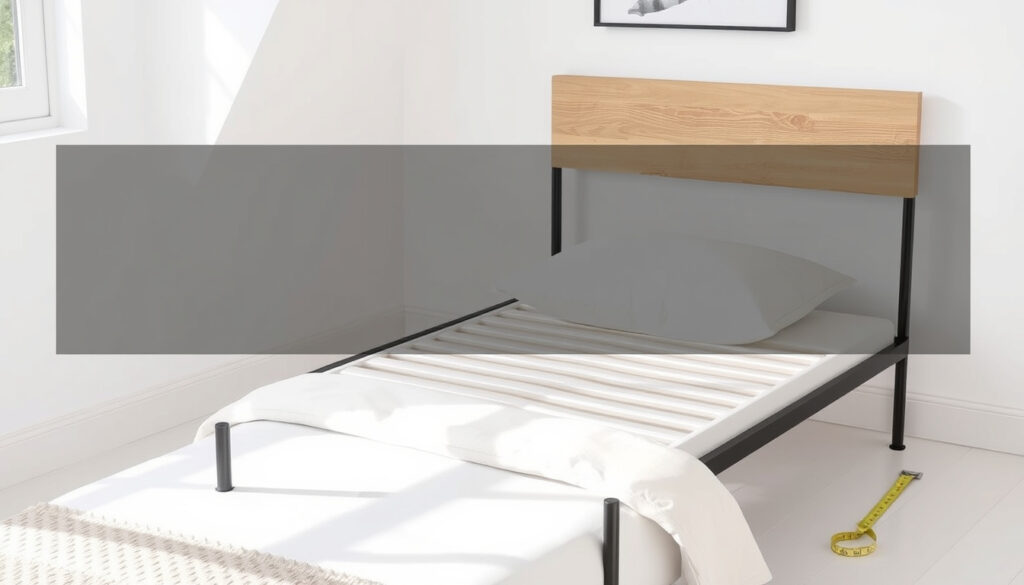
Single Bed Frame NZ: Sizes, Materials & Where to Buy
There’s something quietly satisfying about a well-made single bed frame—it’s often the first piece of furniture we pick for a guest room, a child’s first big-kid bed, or a clever space-saving solution for a home office. But if you’ve started shopping in New Zealand recently, you may have noticed the sizing isn’t as straightforward as a quick tape measure would suggest.
Typical single bed frame width: 0.9–1.0 m (single) / 1.07 m (king single) • Common NZ bed base heights: 30–45 cm • NZ-made options: Coastwood Furniture (Nelson), Treasure Box, TSB Living
Types
- Wooden: classic, durable
- Metal: lightweight, modern
- Upholstered: soft appearance
- Storage: drawers or lift-up
Sizes
- Single: 91–100 cm x 190 cm
- King single: 107 cm x 203 cm
- Long single: 91 x 203 cm (rare)
Materials
- Pine: budget-friendly, NZ-grown
- Macrocarpa: naturally durable, local
- Oak: premium, heavier
- MDF: affordable but less robust
Price Range (NZD)
- Budget: $150–$400
- Mid-range: $400–$800
- Premium: $800+
- Delivery often extra
Below is a quick-reference table of the key dimensions and materials most relevant to the New Zealand market.
| Specification | Common NZ Value |
|---|---|
| Standard single width | 91 cm (some retailers list 92 cm) |
| Typical single length | 190 cm (some “adult” variants 203 cm) |
| King single width | 106–107 cm |
| King single length | 203 cm |
| Most common wood in NZ | Solid Radiata Pine (NZ plantation) |
| Budget frame price range | $150–$400 |
| Mid-range frame price | $400–$800 |
| IKEA NZ stock check | Typically 90 x 200 cm; check IKEA NZ for current list. |
What Is the Standard Single Bed Size in New Zealand?
While a “single” seems universally understood, the New Zealand market operates on a slightly different metric than the UK or US. The most frequently cited standard is 91cm wide x 190cm long, a figure confirmed by major local retailer Bedpost for their single frames. However, you’ll often see 92cm cited, and it’s not a typo—it reflects the industry’s blend of metric conversion from older imperial sizes. The variance is minor, but it matters when you’re buying a mattress and a frame from different stores.
- The common standard: 91cm x 190cm is the gold standard listed by specialist bed retailers like Bedpost.
- Retailer variance: Some outlets like Ecosa advertise their frames as fitting a 92cm x 190cm mattress, showing the acceptable tolerance in the market.
- The long “single”: Freedom Furniture lists a “single adult” size at 107cm x 203cm, effectively a king single, showing the category can be loosely applied to small double dimensions.
The takeaway is that while 91x190cm is the anchor, you’re safe to assume a 92cm width is still a standard single, and the length can stretch to 203cm for taller users. This is where the next section becomes crucial—it’s not just what you buy, but how the bed is labeled.
The implication: a 1cm width discrepancy between frame and mattress can leave a gap that makes fitted sheets slip, so matching the exact listing dimensions is worth the extra minute of research.
How Materials Affect Your Choice: Pine, Metal, and NZ-Made Options
The material of your bed frame determines everything from its weight capacity to how it survives a humid Auckland summer or a chilly Dunedin winter. While imported particleboard is the budget default, New Zealand’s furniture market increasingly champions solid Radiata Pine, which grows abundantly in local plantation forests. Ecosa, for instance, notes its single bed is built with solid NZ pine, a mark of quality and durability. The trade-off is usually weight—solid wood frames are heavy—but they also provide the stability that prevents creaking and wobbling over time.
What Is a Wooden Single Bed Frame?
A wooden single bed frame is any frame built primarily from timber—either solid wood or engineered wood products. In New Zealand, solid Radiata Pine dominates because it is grown locally in plantation forests, keeping costs lower than imported hardwoods. Solid wood frames resist warping when properly sealed and can last a decade or more, whereas MDF or particleboard frames are susceptible to moisture and tend to sag under repeated weight. NZ-grown options include Radiata Pine, macrocarpa (naturally durable and rot-resistant), and occasionally oak for premium builds.
| Material | NZ Context & Example | Durability & Care |
|---|---|---|
| Solid Radiata Pine | The backbone of NZ-made furniture; used by Ecosa for its single frames. | High – resists warping when properly sealed. |
| NZ Plantation Hardwood (e.g., Beech) | Less common, but available on specialty sites like Nicky’s Furniture. | Very high – but heavier and pricier. |
| Engineered Wood / MDF | Frequent in budget flat-packs from The Warehouse. | Lower – susceptible to moisture over time. |
| Powder-coated Steel (for base) | Many NZ frames (including some from Bedpost) use a steel / wood combo. | High for base; prevents sagging. |
While timber choice dominates the headboards, the supporting slats and side rails are just as critical. A frame can be advertised as “pine” while using softer metal brackets or pine for structural parts—a distinction worth checking in the product specs. A careful read shows the difference between a solid wood frame and a “solid wood look” is where you spot the price gap.
Ecosa frames boast a solid NZ pine construction, a material known to be 20% harder than imported spruce, according to industry standards—a factor that directly influences the frame’s lifespan in a child’s bedroom.
Single vs. King Single vs. Bunk Bed Latte: Finding the Right Fit
Once you move past materials, the next decision is the width of the bed itself. The population of NZ is shifting toward the “king single” (approximately 106x203cm) as a preferred upgrade for teens and taller adults who still want a single’s footprint. This is not just a wider mattress—it means a larger frame, which can turn a small room into a cramped one. Crucially, the standard single width of 91-92cm is often conflated with the narrower “bunk bed latte” size, which is a custom fit for specific bunk configurations but not a universal standard.
- Standard single vs. King single: The main difference is width (91-92cm vs 106-110cm), not just a bit of extra room; king single sheets and mattresses are distinctly sized.
- Room fit: A standard single frame typically needs a 2.1m x 2.1m room to walk around it; a king single adds at least 20cm of width to that requirement.
- NZ-made advantage: Local manufacturers can build a custom frame to fit an exact 91cm or 92cm cushion, avoiding the frustrations of imported “fitted” sheets that don’t quite align.
The choice ultimately comes down to who sleeps in it. For a toddler transitioning to a “big bed,” the standard single is perfect; for a lanky teenager, the king single extends the bed’s useful life by years without taking over the room’s floor plan.
Two Real-World NZ Examples
Consider the Harvey Norman Tillsdale Single Bed Frame by Coastwood Furniture, a solid choice that anchors the lower end of the premium market. It’s a strong example of how a simple silhouette in NZ-grown Radiata Pine can dominate the market for years, simply because it does the basics right. This frame pairs well with a 91x190cm latex or pocket-spring mattress.
At the other end of the spectrum, indoor outlets like Nicky’s Furniture often feature solid New Zealand beech wood frames which are slightly heavier but offer a timeless aesthetic. The catch is that beech’s density means the bed is less likely to move with a restless sleeper, but it will cost you a premium over pine. When comparing, always check the furniture’s “workmanship” details—Harvey Norman’s warranty alongside local manufacturing is a strong signal of durability.
What Fits: Sizing, Slats, and the NZ Retail Landscape
Before you even think about the headboard style, ask yourself a more practical question: “Will my mattress and base fit through the door and up the stairs?” In many NZ villas and modern townhouses, the flat-pack frame is the only reason you can buy a bed at all—the slats and rails disassemble to fit tight corridors. Further, check whether the frame comes with a mid-support beam. This is the single most under-rated factor for a single bed in NZ; without it, even the best mattress will sag, especially if you or your child like to sit on the edge of the bed.
- Slats vs. solid base: Slatted bases provide ventilation, vital for a single mattress that often sits against a wall. A pine-slat base from a retailer like Bedpost (which lists 91cm as the width) ensures air flow and freshness.
- Retailer discrepancies: Always cross-check the “fits mattress size” section—you’ll find that while Freedom lists 91×190, others like Ecosa state 92cm. Your frame must always specify the mattress width it supports.
This is where you must decide between the two main camps: the large warehouse stores (Harvey Norman, Freedom) or the specialist online retailers (Ecosa, Bedpost). The former offers a showroom experience, while the latter often provides better price transparency and a more NZ-specific frame size (91cm vs 92cm) to match your other furniture.
Budget and NZ-Made: Realistic Cost Expectations
You can pick up a basic imported single frame for about $150 at The Warehouse, but the reality of NZ’s freight and forestry industries means a decent local-made version starts around $400. The higher price point reflects the cost of NZ pine, which is both a premium and a widely used local material. Remember that a bed frame is not the place to count cents on the base; for less than $500 you’re looking at engineered wood or thin rails. Ecosa’s pricing, for instance, includes a solid NZ wood frame and a designed base that retails under $800, often undercutting imported “designer” frames with its direct-to-consumer model.
Where Can I Find Cheap Single Bed Frames in NZ?
Budget options are available through online marketplaces like Trade Me and Facebook Marketplace, where second-hand frames can cost under $100. Budget retailers such as Kmart and The Warehouse stock basic imported frames starting around $150. Clearance sections of furniture stores occasionally offer discounted floor models. However, cheap frames often use MDF or thin metal rails that may sag within a few years, and delivery fees can add $30–$80 to the total. For a balance of price and durability, a mid-range NZ-made pine frame in the $400–$600 range offers better long-term value than a $150 flat-pack that needs replacing after two years.
Making the Call: Your Next Steps
What Is the Best Single Bed Frame in NZ?
The best single bed frame for you depends on your budget, room size, and who will sleep in it. For a durable, NZ-made option, a solid Radiata Pine frame from a specialist retailer like Ecosa or Bedpost offers the best balance of quality and price. For budget buyers, a metal frame from The Warehouse or Kmart works for a guest room but may not last as long. For small spaces, a frame with built-in storage drawers maximizes floor space. Always match the frame’s stated width to your mattress dimensions and check that the base includes a centre support beam for long-term stability.
Follow these steps to make your final decision:
- Measure your room — ensure at least 2.1m x 2.1m for a standard single.
- Confirm the frame width — match it to your mattress size (91cm or 92cm).
- Choose your material — solid pine for durability, metal for budget, MDF only for short-term use.
- Check the base — slatted with a centre support beam is ideal.
- Compare prices online — factor in delivery fees.
- Read the warranty — NZ-made frames often include a 5–10 year guarantee.
Choosing a single bed frame is about matching the measurements to the room, the material to the climate, and the budget to your long-term needs. With NZ sizes varying by a literal centimetre or two between sellers, the first step is to measure your space and always confirm the frame’s stated width. If you’re online, filter for “NZ-made” (Radiata Pine) and look for a solid base—these two factors will secure a frame that stays solid for a decade. If you’re in the market for a quick reference, use the table above: aim for 91-92cm wide, 190-203cm long, and a material that suits your home’s humidity.
The final decision often comes down to how much you value the NZ-made claim versus a lighter, cheaper imported frame. But regardless of what you choose, know that a single bed is no longer just for kids—it’s an essential, versatile piece of furniture for small-space living in Auckland, Wellington, or Christchurch.
You don’t need to buy the most expensive frame, but you do need to buy the right size—and the range of sizes at various retailers means the right answer is a 91x190cm pine frame from a dedicated NZ bed store unless you’re specifically sizing up for a teenager’s height.
Related reading: Phil & Teds Travel Cot Recall & Safety Guide 2025 · How to Organize Your Kitchen: 14 Easy Storage & Zoning Ideas
profurniture.co.nz, betalife.co.nz, ecosa.co.nz, ecosa.co.nz, blog.treasurebox.co.nz, magicofwood.co.nz, nzbeds.co.nz, bedpost.co.nz, thedailyblog.co.nz, furnitureplace.co.nz, freedomfurniture.co.nz
Frequently Asked Questions
Is a single bed the same as a king single in NZ?
No. A standard single in NZ is 91cm wide x 190cm long, while a king single is typically 106cm wide x 203cm long. The difference is about 15cm in width and 13cm in length, allowing a king single to accommodate taller or broader sleepers.
Does IKEA NZ sell single bed frames that fit NZ mattresses?
Yes, but note that IKEA NZ generally uses European-sized mattresses (90x200cm). This is 1cm narrower and 10cm longer than the NZ standard of 91x190cm, so you may need to buy the mattress from IKEA as well, or choose a local frame that fits snugly around a 90cm wide mattress.
What is the difference between a single and a twin bed in New Zealand?
In New Zealand, the terms “single” and “twin” are both used to describe the same size: 91cm x 190cm. “Twin” is a North American term that hasn’t fully displaced the local “single,” but you’ll see both used in product listings interchangeably. Always check the measurements rather than relying on the name.
Are NZ bed frames more expensive than in Australia?
Generally, yes, for comparable quality. The smaller NZ market, higher import tariffs, and the cost of shipping larger items from Australia can make the same big-box store frame cost 20-30% more in NZ. This is why local direct-to-consumer brands like Ecosa have gained popularity by offering local sourcing and production.
How do I stop a wooden single bed frame from squeaking in NZ?
NZ’s relative humidity changes can cause the timber to contract and expand. To fix a squeak, disassemble the base and apply a silicone-based lubricant to the joints and any metal rails. For solid pine frames, naturally re-tighten the bolts when the wood expands in the warm season. If the creak persists, place felt pads between the slats and the side rail.
What’s the best frame for a toddler’s first “big bed” in NZ?
A low-profile solid NZ pine frame (91x190cm) is the best starter. Look for one that includes a slatted base with a center support leg. Avoid high-end expensive wood frames that your child will outgrow in a few years—a simple, robust pine model that can survive a jump or two is your most practical buy.
More related posts
 Woman of the Dead: Is It Worth Watching? Season 2 Guide
 Places to Eat in Wellington: Restaurants, Cheap Eats & More
 Tiny Homes New Zealand Legal Battle – Key Rulings and Compliance Guide
 All Blacks Player Ratings 2025: Top Performers, Highest Paid
 Hot Water Heat Pumps Prices NZ: Costs, Install & Best Models
 Woolworths New Zealand Shelf Pricing Glitch: 185 Stores Close
 Cast of Power TV Series: Main & Supporting Characters
 Nam Joo-hyuk: Career, Military, Personal Life (2025 Update)