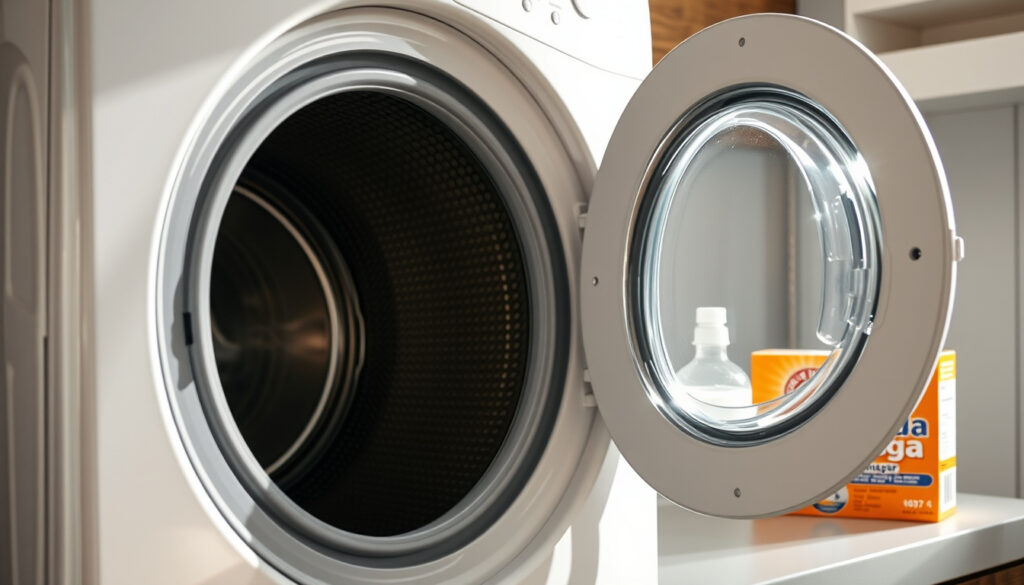
How to Clean Washing Machine: Vinegar & Baking Soda Guide
If your laundry’s been coming out with that musty smell even though the detergent’s doing its job, the problem isn’t the soap—it’s probably hiding inside your washing machine. Mould loves damp seals and leftover residue, and no amount of extra fabric softener will fix it. Here’s how to give your machine a proper clean using a few things you probably already have in the cupboard, plus what the appliance brands themselves actually recommend.
Common cleaner: distilled vinegar · Vinegar amount: two cups · Alternative: soda crystals · Exterior cleaner: mild dish soap · Seal cleaner: water and white vinegar
Quick snapshot
- Vinegar removes mould from seals (Country Living Magazine)
- Run hottest empty cycle for best results (Beko Ireland)
- Leave door open after each wash (Apartment Therapy)
- Whether frequent vinegar causes measurable wear on parts (Truly Free Home)
- Exact frequency that extends machine lifespan (Truly Free Home)
- Brands (LG, Beko) updated guides 2024–2025
- Community methods documented since 2023
- Set a quarterly reminder to clean your machine
- Watch for residue build-up between deep cleans
| Label | Value |
|---|---|
| Primary cleaner | White vinegar |
| Frequency tip | Every few months |
| Seal care | Wipe with vinegar mix |
| Hot cycle required | Yes |
| Separate cycles | Vinegar then baking soda |
| Post-clean step | Leave door open to air dry |
What is the best thing to clean a washing machine with?
White vinegar is the go-to recommendation across appliance brands and cleaning experts alike. Haven Polich, product manager at ASKO, advises applying vinegar to the gasket first before any cycle runs—front-load seals trap moisture and mould loves that environment. The acid in vinegar dissolves mineral deposits, soap scum, and existing mould, making it effective for both routine maintenance and problem areas.
Vinegar method
For front-load washers, pour two cups of distilled white vinegar into the detergent dispenser drawer, then run a hot wash cycle with the machine empty. LG UK recommends this exact sequence: vinegar first in a hot cycle, followed by baking soda in a separate cycle to freshen the drum. Country Living Magazine confirms that applying white vinegar directly to seals and the detergent drawer removes mould and mildew effectively.
Top-load washers work differently—the vinegar goes into the drum rather than the dispenser. Apartment Therapy recommends adding one quart of white vinegar to an empty drum, letting it soak for one hour, then running a full hot cycle. The soak step is unique to top-loaders because the water circulates differently.
Soda crystals option
Baking soda (or soda crystals) offers a different cleaning action: it’s mildly abrasive, which means it physically scrubs grime while deodorizing at the same time. Beko Ireland recommends adding one cup of baking soda crystals to the drum on the hottest empty cycle to tackle stains and odours. Country Living Magazine specifically notes that baking soda neutralizes stagnant water smells—a common complaint when machines sit unused between washes.
Commercial cleaners
Products like Dr Beckmann Service-It Deep Clean or Durgol Swiss Espresso Specialist offer a one-cycle alternative that genuinely works. Truly Free Home acknowledges that commercial cleaners are more efficient than running multiple DIY cycles. The trade-off is cost—they typically run £5–£10 per sachet versus pennies for vinegar and baking soda. If you’ve got a machine that sees heavy daily use, a commercial cleaner once a year might be worth it.
Can I run my washing machine empty to clean it?
Yes—and in most cases, you should. An empty hot cycle is the foundation of every deep-clean method, whether you’re using vinegar, baking soda, or a commercial sachets. The heat loosens residue inside the drum and plumbing, and running empty means the cleaner reaches surfaces that would otherwise be hidden under laundry.
Step-by-step empty cycle
Haven Polich from ASKO recommends starting with the rubber door seal—spray it with vinegar and wipe with a damp cloth before running anything. Apartment Therapy confirms this approach and adds that the gasket is the first place mould appears on front-load machines. Once the seal is treated, run the machine empty on the hottest setting available. After the cycle finishes, wipe the drum with a clean cloth and leave the door open to air dry.
Check rubber seal first
Beko Ireland specifies using the hottest cycle for cleaning runs—the heat does the heavy lifting alongside whichever cleaner you choose. The seal-checking step isn’t optional according to the experts; Daniela Venturini, trend forecaster at Wayfair UK, specifically recommends treating tough spots on seals with a vinegar solution before they develop into deeper mould problems.
Hotpoint instructions
Brand guides consistently recommend the same sequence: inspect seals, run hot empty cycle, wipe debris, leave door open. LG UK reinforces this by suggesting the cleaning cycle become part of a regular maintenance habit—check seals and drawer monthly, run a deep clean every few months.
Running empty hot cycles removes residue that builds up from cold washes and Fabric Softener films. Skipping this step lets that residue harden into the kind of grime that eventually causes odours—even clean laundry picks up that smell.
How do I deep clean my washing machine?
A true deep clean means touching every surface: the drum, the seals, the detergent drawer, and the exterior. Each area needs a different approach, and missing even one means residue will keep building in the gaps you’ve ignored.
Interior scrub
For stubborn marks inside the drum that a hot cycle won’t shift, make a paste with equal parts vinegar and baking soda. Apply it directly to the affected area, let it sit for 15–20 minutes, then scrub with a non-abrasive cloth or soft brush. Apartment Therapy notes this works well for the drum after a particularly dirty load has been washed. For everyday maintenance between deep cleans, a quick wipe with vinegar spray keeps things fresh.
Exterior cleaning
The outside of the machine gets overlooked but picks up dust, detergent splashes, and humidity stains. Mild dish soap diluted in warm water handles most exterior surfaces. Wipe with a soft cloth, then dry—any standing moisture on the surface or around the control panel can seep into areas you can’t easily access later.
Detergent drawer
Pull the detergent drawer out completely and rinse it under hot water. For residual film, spray with vinegar and scrub with an old toothbrush—those corners and tracks collect buildup that running cycles don’t touch. Country Living Magazine advises wiping the drawer dry with a cloth before sliding it back in. Mould returns fastest in damp, enclosed spaces, so a quick dry makes the clean last longer.
Can I put vinegar and baking soda in my washing machine to clean it?
You can use both—but never together in the same cycle. This is the most common misconception about DIY washing machine cleaning, and it’s one that even experienced home cleaners get wrong.
Recipe steps
The correct approach is two separate cycles. Run vinegar in the first hot wash (poured into the detergent drawer for front-loaders, or directly into the drum for top-loaders). Let the cycle complete fully. Then run a second hot cycle with baking soda in the drum. The order matters only in that you want each agent working on its own without neutralization.
Truly Free Home explains the chemistry: when vinegar (acetic acid) meets baking soda (sodium bicarbonate), they react to produce sodium acetate (table salt), water, and carbon dioxide. That fizzing action people associate with “cleaning” is just CO2 escaping—the actual cleaning agents cancel each other out. You end up pouring salty water through your machine.
Plumber views
Plumbers flag a secondary risk: if the baking soda residue isn’t fully rinsed away in a hot cycle, it can accumulate in drain pipes and eventually cause blockages that require professional attention. This isn’t hypothetical—improper rinsing after baking soda cycles is cited as a reason for service calls. Running a plain hot water rinse cycle after the baking soda step flushes the residue before it can settle.
Potential issues
Vinegar is mildly acidic, and some appliance service technicians note that frequent use over years may cause wear on rubber seals and plastic components. The evidence is anecdotal rather than quantitative—manufacturers don’t publish data on this—but it’s worth noting if you’re doing vinegar cycles monthly. Trimming back to every other month, or alternating vinegar cycles with baking soda cycles, spreads the wear more evenly.
Mix vinegar and baking soda in the same cycle, and you’ve wasted both. The fizz you see is the reaction doing nothing useful—salt, water, and gas. Run them back-to-back in separate hot cycles, or use one per cleaning session.
Where do I put white vinegar in my washing machine to clean it?
Placement depends entirely on your machine type. Front-loaders and top-loaders work differently, and putting vinegar in the wrong place either wastes it or skips the parts that need it most.
Detergent drawer placement
For front-load washers, the detergent drawer is where vinegar goes. Pour it directly into the main wash compartment (marked II or “2” in most machines), not the fabric softener section. The vinegar will flush through the plumbing and drum during the wash phase, cleaning the internal pipes as it moves. Apartment Therapy specifies two cups of distilled white vinegar for this method.
Direct drum pour
Top-load washers don’t have the same dispenser plumbing—water fills the drum directly. Pour the vinegar straight into the drum before adding water, or add it immediately after starting the fill cycle. For top-loaders, the recommended amount is one quart (roughly four cups) of white vinegar, followed by a one-hour soak before running the hot cycle.
Top vs front loader
The structural difference matters. Front-loaders have a sealed door with a rubber gasket that traps moisture—that’s the mould hotspot. Vinegar in the detergent drawer cleans the plumbing and drum but doesn’t reach the door seal directly. That’s why experts recommend wiping the gasket with a vinegar-dampened cloth separately. Top-loaders don’t have this gasket issue in the same way, but the drum interior and agitator still need attention. Beko Ireland specifies one cup of vinegar for both front and top-loaders in their guides, measured for the hottest empty cycle.
Front-load seals are the number one mould trap in modern washing machines. Vinegar in the drawer cleans the drum, but the seal needs direct contact—that means wiping it separately, not relying on a full cycle to reach every surface.
Key facts from the experts
When vinegar and baking soda are combined, what’s left behind is salt, water, and carbon dioxide. That fizzing reaction might look impressive, but it’s not actually cleaning anything, according to Truly Free Home’s cleaning guide. Vinegar dissolves mineral deposits, soap scum, and mould; baking soda scrubs grime and deodorizes—they work independently, not together.
The baking soda will not only clean your machine, but also neutralise any stagnant water smells coming from it.
— Daniela Venturini, Art Director and Trend Forecaster at Wayfair UK (Country Living Magazine)
This method leaves my washer clean and fresh with no lingering vinegar smell afterward.
— Haven Polich, Product Manager at ASKO (Apartment Therapy)
Haven Polich from ASKO recommends applying vinegar to the gasket first for front-loaders, addressing the primary mould hotspot that hot cycles alone won’t touch. Daniela Venturini from Wayfair UK echoes this seal-first approach, suggesting vinegar solution for tough seal spots specifically. The appliance manufacturers align on the core method: vinegar dissolves, baking soda deodorizes, and separate cycles prevent neutralization.
For UK and Ireland machine owners, the guidance is consistent: use the hottest cycle available, measure one cup for both vinegar and baking soda (as Beko Ireland specifies), and clean every few months to prevent the mould and odours that build up silently between washes. Leaving the door open after each use is the single cheapest prevention step—it costs nothing and stops moisture from becoming a problem in the first place.
If you own a washing machine, the choice is between a few hours of seasonal maintenance using pantry staples or paying for commercial cleaners when odours become unavoidable. Vinegar and baking soda work, but only if used in separate cycles with hot water. Skipping that step means residue keeps building, and eventually your clean laundry starts picking up that musty smell despite every fresh detergent capsule.
How often should I clean my washing machine?
LG UK and other appliance brands recommend a deep clean every few months—roughly four times a year. Between deep cleans, wipe the door seal with a vinegar-damp cloth after each wash and leave the door open to air dry. If your machine is in a humid space or gets heavy daily use, consider stepping up to every six weeks.
Is bleach safe for washing machines?
Bleach can damage rubber seals and plastic components if used frequently or in high concentrations. Occasional use with a dilute solution in a hot cycle is generally safe, but always check your machine’s manual first. Vinegar is gentler and effective for routine cleaning—save bleach for occasional disinfecting if your manual permits it.
How to clean washing machine filter?
The filter (usually behind a small panel at the front bottom of front-loaders) catches coins, hair, and debris. Pull it out, rinse under hot water, and scrub with an old toothbrush if needed. Check it monthly—blocked filters reduce drainage efficiency and can cause odours regardless of how clean the drum is.
What causes washing machine odors?
Three main culprits: residual moisture in the seal and gasket, old food residue in the detergent drawer, and biofilm (a slimy bacterial layer) building up on the drum interior. All three are addressed by the vinegar-hot cycle routine plus manual wiping of seals and drawer after each use.
How to clean top loader vs front loader?
Front-loaders need seal-checking and drawer-cleaning in addition to drum cycles. Top-loaders skip the drawer step but benefit from a one-hour vinegar soak before the hot cycle runs. The hot empty cycle works for both types—just pour vinegar into the drum for top-loaders and the detergent drawer for front-loaders.
Are washing machine cleaners necessary?
Not if you use vinegar and baking soda correctly in separate hot cycles. Commercial cleaners like Dr Beckmann or Durgol are more convenient (one cycle instead of two plus manual wiping) but cost significantly more per session. They’re worth considering for machines that have developed persistent odours, but routine maintenance doesn’t require them.
How to clean detergent drawer?
Remove the drawer completely, rinse under hot water, spray with vinegar, and scrub with an old toothbrush—particularly in the corners and tracks. Dry thoroughly with a cloth before sliding it back in. Damp inside the drawer is a fast track to mould, even after a clean cycle has run.
Related reading: How to Remove Oil Stains from Clothes · Wie Putzt Man Das Haus Schnell
While Beko and LG recommend hot empty cycles, many pair them with the step-by-step vinegar guide to effectively dissolve detergent residue and mold in seals and drawers.
More related posts
 JB Hi-Fi Lower Hutt: Hours, Phone, Location & Prices
 Gluten Free Pizza Dough: Homemade vs Store-Bought
 Warehouse Toy Car Saga: Recall, Fines & Safety
 Rome to London Wanderer: 12-Day Tour & Travel Tips
 Contact Energy co nz: How to Contact, Cheapest Plans & More
 Cavoodle Puppies for Sale NZ: Prices, Breeders & Buying Guide
 Shadow Box Frame NZ: Buy or DIY? Prices, Retailers & Guide
 Best Conditioner and Shampoo: Top Picks for Every Hair Type (2026)