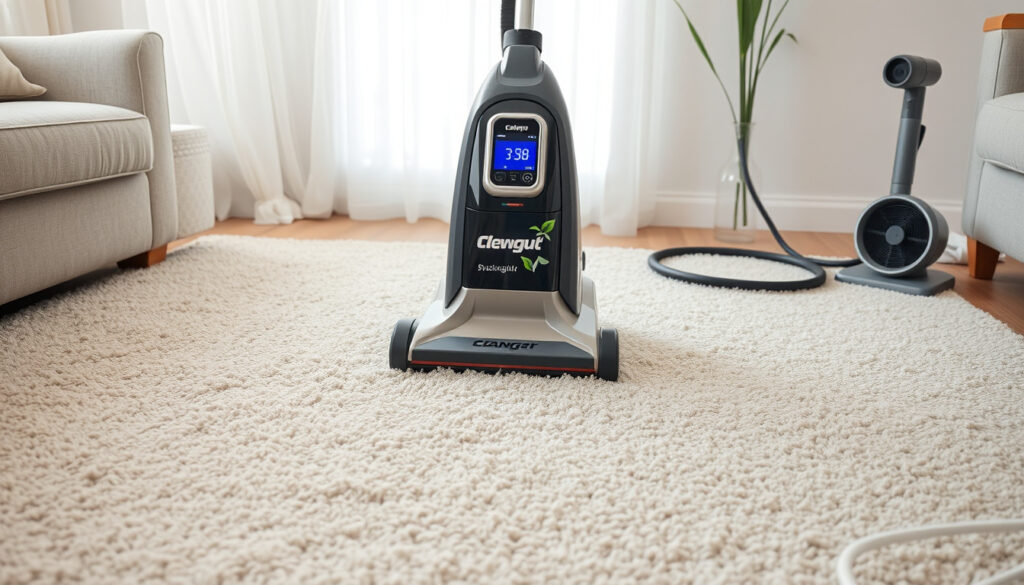
Rug Doctor Carpet Cleaner: How to Use & Dry Time
Anyone who’s rented a carpet cleaner and ended up with a damp, smelly floor knows the frustration, but the Rug Doctor is a powerful machine that requires more than just pushing it across the room. This guide walks through the exact steps, realistic drying times, and the most common mistakes that can turn a deep clean into a headache.
Drying time: approximately 2 hours (under optimal conditions) ·
Recommended passes: 4 (2 wet + 2 dry) ·
Common mistake: over-wetting the carpet
Quick snapshot
- Start from the furthest corner away from the exit door (Rug Doctor Deep Cleaner Demonstration (YouTube))
- Use only recommended detergents (Home Depot Rug Doctor Rental Manual)
- Fill the water tank with hot water (standard practice, see manufacturer guidance)
- Make 2 slow wet passes over each area (Rug Doctor PRO Deep Manual)
- Follow with 2 slow dry passes (Rug Doctor PRO Deep Manual)
- Overlap passes slightly to cover all areas (Home Depot Rug Doctor Rental Manual)
- Carpet can dry in approximately 2 hours under optimal conditions (Rug Doctor Instructional Video (YouTube))
- Open windows or turn on heating to speed drying (Rug Doctor Instructional Video (YouTube))
- Avoid walking on carpet until completely dry (Rug Doctor UK Cleaning Guide)
- Using more than two cleaning passes over-wets the carpet (Rug Doctor PRO Deep Manual)
- Leaving the machine stationary while pressing the red button damages carpet (Home Depot Rug Doctor Rental Manual)
- Not recovering enough water – aim for 70–80% liquid recovery (Home Depot Rug Doctor Rental Manual)
Five key facts, one pattern: drying time and cleaning passes are the two biggest levers for success.
| Fact | Value | Source |
|---|---|---|
| Drying time (optimal) | ~2 hours | Rug Doctor Instructional Video (YouTube) |
| Recommended passes | 4 (2 wet + 2 dry) | Rug Doctor PRO Deep Manual |
| Liquid recovery target | 70–80% | Home Depot Rug Doctor Rental Manual |
| Common odor cause | Residual moisture | Rug Doctor UK Cleaning Guide |
| Detergent type | Rug Doctor recommended detergent | Home Depot Rug Doctor Rental Manual |
How long does it take for carpet to dry after Rug Doctor?
Under ideal conditions – good ventilation, low humidity, and proper extraction – a Rug Doctor–cleaned carpet can be dry in about 2 hours. That’s what Rug Doctor’s own instructional video claims, though actual drying time depends on carpet thickness, room temperature, and how much water was left behind.
Factors affecting drying time
- Carpet pile height – thicker carpets hold more moisture (Home Depot Rug Doctor Rental Manual)
- Room ventilation – closed rooms slow evaporation (Rug Doctor UK Cleaning Guide)
- Number of cleaning passes – too many passes over-wet the carpet (Rug Doctor PRO Deep Manual)
How to speed up drying
- Open windows or turn on the heating (Rug Doctor Instructional Video (YouTube))
- Make additional dry passes without squeezing the spray trigger (Rug Doctor UK Deep Carpet Cleaner Guide)
- Use fans to circulate air across the carpet surface
When to walk on carpet after cleaning
Wait until the carpet feels dry to the touch – usually 2–6 hours. Rug Doctor UK advises keeping pets and people off the carpet until it’s completely dry to avoid re-soiling and damage.
How do I use my Rug Doctor carpet cleaner?
Using a Rug Doctor isn’t complicated, but skipping steps leads to poor results. Here’s the exact process from the manufacturer’s manuals and rental guides.
Preparing the carpet and machine
- Vacuum the carpet thoroughly to remove loose dirt and debris (Rug Doctor UK Cleaning Guide)
- Move furniture out of the room or protect legs with plastic squares
- Fill the water tank with hot tap water (not boiling) and the recommended Rug Doctor detergent
- Start from the furthest corner away from the exit door so you don’t walk on wet carpet (Rug Doctor Deep Cleaner Demonstration (YouTube))
Step-by-step cleaning process
- Press the red trigger to spray solution while moving forward slowly – one slow pass (Rug Doctor PRO Deep Manual)
- Release the trigger and pull back over the same area to extract the dirty water (Rug Doctor PRO Deep Manual)
- Repeat the wet pass and dry pass for a second time – total 2 wet, 2 dry passes (Rug Doctor PRO Deep Manual)
- Overlap each pass slightly to avoid missed strips (Home Depot Rug Doctor Rental Manual)
- Keep the machine moving when pressing the red button – never let it sit in one spot (Home Depot Rug Doctor Rental Manual)
Rinsing and drying
After cleaning, empty the dirty water tank. Leave the machine on for 15 seconds to recover any remaining dirty solution (Rug Doctor UK Deep Carpet Cleaner Guide). Then remove the clean water tank and rinse it with clean water. Allow the carpet to dry as described in the previous section.
The Rug Doctor manual is clear: two wet passes, two dry passes, and never more. Renters who ignore this waste time and risk over-wetting their carpets.
Why does my carpet stink after using Rug Doctor?
A bad smell after cleaning is frustrating, but it’s almost always caused by moisture that wasn’t properly extracted. Here’s what’s happening and how to fix it.
Common causes of odor
- Residual moisture left in the carpet fibres – the machine extracts about 80% of the water (Home Depot Rug Doctor Rental Manual), but the remaining 20% can stagnate.
- Improper drying – if the room isn’t ventilated, bacteria and mildew can grow within 24 hours (Rug Doctor UK Cleaning Guide)
- Using too much detergent – excess soap residue traps dirt and odours
Vinegar smell
Some users report a vinegar-like odour after cleaning. This can come from the cleaning solution itself (especially if it contains acetic acid) or from bacterial growth in the dirty water tank. Rug Doctor’s UK guide recommends regularly cleaning the machine to prevent bacterial buildup.
Mold and mildew
If the carpet stays damp for more than 24 hours, mold and mildew can develop. The Rug Doctor PRO Deep Manual warns against using too many cleaning passes, which over-wets the carpet and prolongs drying time.
The very thing that makes a Rug Doctor effective – high water pressure – also creates the risk of odor. The solution is extraction: more dry passes, less solution, and better ventilation.
The pattern: proper extraction and ventilation are the keys to preventing residual moisture from causing odors.
How many times should I go over my rug with my Rug Doctor?
The Rug Doctor manual gives a very specific answer: two wet passes and two dry passes, for a total of four passes over each area. That’s the sweet spot between cleaning power and over-wetting.
Recommended number of passes
- 2 slow wet passes (with trigger pressed) to apply solution and scrub (Rug Doctor PRO Deep Manual)
- 2 slow dry passes (without trigger) to extract the dirty water (Rug Doctor PRO Deep Manual)
- If the carpet still isn’t clean, allow it to dry completely and then clean again with a single pass (Rug Doctor PRO Deep Manual)
Signs of a clean carpet
Rinse water runs clear, no visible dirt streaks, and the carpet feels softer. If the dirty water tank still shows dark water after four passes, the carpet may need a second session after drying.
Avoid over-wetting
More passes do not mean cleaner. The Rug Doctor manual explicitly says “do not use more than two cleaning passes on any area or carpet.” Over-wetting leads to longer drying times, odour, and potential carpet damage.
The catch: over-wetting is the most common user error, and it directly undermines both cleaning results and drying time.
What not to do after carpet cleaning?
Mistakes after cleaning can undo all your hard work. Here are the most important don’ts, backed by manufacturer guidance.
Avoid walking on wet carpet
Wait until the carpet is completely dry before walking on it. Rug Doctor UK advises keeping pets and people off to prevent re-soiling and indentations.
Do not use harsh chemicals
Only use detergents recommended by Rug Doctor. Harsh chemicals can damage the machine and leave residues that attract dirt. The Home Depot rental manual warns against using bleach or solvent-based cleaners.
Avoid over-wetting (again)
This bears repeating – too many passes or too much solution is the #1 mistake. The Rug Doctor PRO Deep Manual limits passes to two per area.
Proper ventilation
Closing windows after cleaning traps moisture. The Rug Doctor UK guide says to keep the room well ventilated for quicker drying. Turn on fans or open windows immediately after cleaning.
The most common mistake isn’t the cleaning – it’s the aftercare. Homeowners who skip ventilation and walk on wet carpet often end up with stains and smells that require professional cleaning.
The implication: aftercare is as important as the cleaning itself; small changes in ventilation and walking patterns can prevent costly rework.
Confirmed facts
- 4 passes (2 wet, 2 dry) are recommended (Rug Doctor PRO Deep Manual)
- Over-wetting causes odor (Rug Doctor PRO Deep Manual)
- Ventilation speeds drying (Rug Doctor UK Cleaning Guide)
What’s unclear
- Drying time is about 2 hours under optimal conditions (Rug Doctor Instructional Video (YouTube)) – actual drying time in high-humidity conditions may vary
- Exact cause of vinegar smell may vary by detergent and water quality
- Effectiveness of DIY vinegar removal as a post-cleaning rinse
- Actual drying time in high-humidity conditions (only 2-hour claim from video)
“Cleans nicely but takes effort to maneuver.”
Trustpilot reviewer, in a Rug Doctor product review
“The machine extracts about 80% of the water. With good ventilation, the carpet should be dry in about 2 hours.”
Rug Doctor instructional video (YouTube)
“Do not use more than two cleaning passes on any area or carpet.”
Rug Doctor PRO Deep Carpet Cleaner User Manual
For anyone renting a Rug Doctor, the choice is clear: follow the manual’s pass count, ventilate the room, and resist the temptation to use extra solution. Over-wetting is the enemy of a good carpet clean, and the difference between a fresh-smelling carpet and a musty one is simply a few dry passes and open windows. For homeowners, investing in a few extra dry passes and a fan can turn a 2-hour job into a 6-hour wait – but the result is a carpet that stays clean longer.
Related reading: how to clean your carpets using a Rug Doctor · How to Use Your Rug Doctor Carpet Cleaning Machine
rugdoctor.com, rugdoctor.co.uk, youtube.com, youtube.com, reddit.com, youtube.com
If you’re cleaning both carpets and upholstery, the same machine can handle both jobs with the right attachment — see our guide to the Rug Doctor upholstery cleaner for tips.
Frequently asked questions
Should my carpet be wet after using Rug Doctor?
Yes, the carpet will be damp after cleaning. The machine extracts about 70–80% of the water (Home Depot Rental Manual), so some moisture is normal. If it’s soaking wet, you may have used too many passes or not enough dry passes.
What are the common mistakes in carpet cleaning?
Over-wetting, using too much detergent, skipping the vacuum step, and not ventilating the room are the most common mistakes. The Rug Doctor manual specifically warns against more than two cleaning passes.
Will vinegar smell go away after cleaning carpet?
If the vinegar smell comes from the cleaning solution, it should dissipate as the carpet dries. If it’s from bacterial growth, it may persist until the carpet is completely dry and the machine is cleaned.
Why does my carpet smell like vinegar?
Possible causes: the cleaning solution contains acetic acid, bacterial growth in the dirty water tank, or residual moisture. The Rug Doctor UK guide recommends cleaning the machine regularly.
How to avoid over-wetting carpets when cleaning?
Stick to 2 wet passes and 2 dry passes, keep the machine moving, and use the correct amount of detergent. The Rug Doctor manual is clear: do not exceed two cleaning passes.
How do I hire a Rug Doctor carpet cleaner?
Rug Doctor machines are available for hire at many supermarkets, DIY stores, and rental centres. Prices typically range from €25 to €40 per day.
More related posts
 Brentford vs Manchester United Lineups: Confirmed & Predicted XI
 Chelsea vs Liverpool Timeline: Head-to-Head History
 Disney Plus Cost NZ 2025: Plans, Prices & Comparisons
 Things to Do in South Island: Top Attractions & Hidden Gems
 Cavoodle Puppies for Sale NZ: Prices, Breeders & Buying Guide
 Phil & Teds Travel Cot Recall & Safety Guide 2025
 A6 Size in CM: Dimensions, mm, Inches & Comparisons
 NZD to Singapore Dollar – Current Rate, History & Forecast