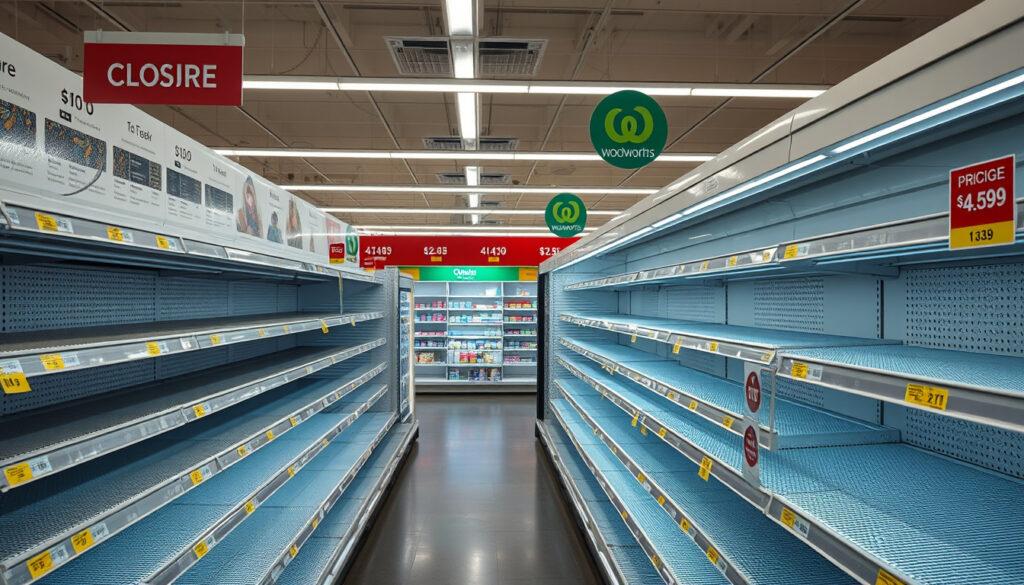
Woolworths New Zealand Shelf Pricing Glitch: 185 Stores Close
Imagine planning a Monday morning shop, pulling into the car park, and finding the doors locked with a handwritten sign blaming a “systems error.” That’s exactly what happened to shoppers across New Zealand on 7 April 2025, when nearly all 185 Woolworths supermarkets shut their doors for a few hours due to a technical glitch with electronic shelf pricing labels. Here’s what went down, why it happened, and what it means for shoppers going forward.
Stores affected: Nearly all 185 · Date of incident: 7 April 2025 · Cause: Electronic shelf label glitch · Scope: Nationwide closures · One exception: Masterton store unaffected
Quick snapshot
- 185 stores impacted (Economic Times)
- Monday morning closures (1News)
- Electronic price tags fault (Otago Daily Times)
- 6-7 April 2025 glitch reported (1News)
- Most stores reopened after delay (Otago Daily Times)
- Precise glitch trigger
- Full resolution timeline
- Customer compensation
- Woolworths reviewing electronic label systems
- Potential process improvements
The table below summarizes the key facts surrounding the nationwide Woolworths NZ disruption on 7 April 2025.
| Label | Value |
|---|---|
| Incident Date | 7 April 2025 |
| Stores Closed | Nearly all 185 |
| Cause | Electronic shelf label glitch |
| Spokesperson Note | Technical fault chain-wide |
| Unaffected Store | Masterton Woolworths |
What went wrong at Woolworths?
On the morning of 7 April 2025, Woolworths New Zealand experienced a nationwide operational failure. Almost all 185 stores across the country temporarily closed due to an electronic shelf label glitch that caused price tags to display standard prices instead of promotional prices.
Technical fault details
The chain-wide issue originated with electronic shelf labels (ESLs) — digital price tags attached to store shelves that update remotely when prices change. When the system malfunctioned, the labels reverted to displaying standard prices rather than the promotional or special prices that should have been shown.
Woolworths NZ, operating as the former Countdown chain, has been rolling out electronic shelf labels across its stores as part of a technology modernization effort. The glitch appears to have affected the central system that manages these labels rather than individual store hardware. A Woolworths spokesperson confirmed the issue was a technical fault affecting electronic shelf labels chain-wide.
Electronic shelf labels are increasingly common in New Zealand supermarkets — the failure raises questions about redundancy systems and whether physical price cards should remain as a backup during technical outages.
Nationwide impact
The disruption hit stores across the country. Notices appeared on doors indicating closures due to systems error. Shoppers arriving for their Monday morning shop found locked doors. One customer, Mary Fastier from Papakura, encountered a closure sign while attempting to collect an online order.
Most stores managed to reopen within a couple of hours. According to NZ Herald reporting, a Woolworths spokesman said all shops were open by 8:30am, while 1News reported a spokesperson stating at 9am that all stores should be open.
One notable exception was the Masterton Woolworths store, which reportedly remained unaffected by the glitch and did not close.
The closure lasted only a few hours, but it disrupted hundreds of morning shoppers who rely on early-week grocery runs. For those with time-sensitive needs — shift workers, parents with school runs, elderly customers — even a two-hour window matters.
What does lower shelf price mean at Woolworths?
In retail terminology, shelf pricing refers to the prices displayed on the store shelf where products sit. A “lower shelf price” at Woolworths typically refers to promotional or special pricing — the discounted rates that apply during sales or special offers.
Shelf pricing context
Electronic shelf labels are designed to streamline price management across large supermarket chains. Rather than manually changing paper price cards every time a price changes, staff can update prices centrally and have all labels update simultaneously. This is particularly useful for managing the hundreds of promotional changes that occur weekly across a large supermarket network.
Woolworths NZ has been transitioning to electronic shelf labels as part of its modernization under the former Countdown brand. The technology allows for dynamic pricing and faster promotional updates.
Glitch implications
When the electronic shelf labels malfunctioned on 7 April, they showed standard retail prices instead of the promotional prices that should have been displayed. This created a discrepancy between what customers saw on the shelves and what they would normally pay.
Despite the display errors, customers who managed to shop at reopened stores were charged the correct promotional prices at checkout. The point-of-sale system maintained accurate pricing even though the shelf displays were wrong. Woolworths confirmed that customers were charged the correct promotional prices at checkout despite the shelf label errors.
The glitch exposed a potential gap: if shelf prices don’t match system prices, customers could argue they were misled. New Zealand’s Consumer Guarantees Act gives shoppers rights when products are misrepresented — though in this case, Woolworths appears to have avoided billing errors at the register.
What is Woolworths called in NZ?
Woolworths New Zealand operates as the successor to the Countdown chain. In 2020, Woolworths Australia rebranded its New Zealand supermarket operations from Countdown to Woolworths, aligning the branding with its parent company’s Australian operations.
Rebrand history
The Countdown brand had operated in New Zealand since the 1980s, eventually becoming one of the country’s major supermarket chains alongside Foodstuffs-owned brands like New World and Pak’n Save. The rebrand to Woolworths brought New Zealand’s supermarket landscape closer to Australia’s, where Woolworths is the dominant grocery retailer.
Woolworths NZ now operates approximately 185 supermarkets across the country, making it one of the largest grocery chains serving New Zealand consumers.
Current operations
Today, Woolworths NZ is a standalone business within the Woolworths Group (Australia) portfolio. The company employs thousands of staff across its store network and continues to invest in technology upgrades, including the electronic shelf label rollout that was involved in the April 2025 glitch.
The issue was a technical glitch with electronic shelf labels across the network. Stores reopened by about 9am on April 7, 2025.
— Woolworths spokesperson via Otago Daily Times
What happened to Countdown in New Zealand?
Countdown was rebranded to Woolworths in late 2020 as part of a coordinated strategy by Woolworths Group (Australia) to unify its supermarket branding across Australia and New Zealand markets.
Rebranding process
The transition from Countdown to Woolworths NZ began in 2020 and proceeded gradually, with stores, staff uniforms, and branding updated over several months. The move was not without controversy, as some New Zealand customers expressed concern about reduced competition in the supermarket sector following the consolidation of the Countdown and Woolworths brands.
Despite the name change, Woolworths NZ maintains its New Zealand-based management team and operational decisions are made locally rather than from Australia.
Post-rebrand issues
The April 2025 electronic shelf label glitch represents one of the most visible operational issues since the rebrand. The incident highlights ongoing challenges with technology integration as Woolworths continues to standardize systems across its Australasian operations.
What is the cheapest day to shop at Woolworths?
While specific promotional schedules vary by location and week, there are general patterns New Zealand shoppers can follow to maximize savings at Woolworths.
Shopping tips amid disruptions
After the April 2025 disruption, some shoppers may be wondering about practical strategies for getting the best prices. The incident, while resolved quickly, served as a reminder that technology can occasionally disrupt the shopping experience.
Woolworths typically runs its most significant weekly specials from Wednesday through to the following Tuesday. Mid-week starts often feature new promotional cycles, making Wednesday and Thursday good days to spot new deals.
General patterns
For regular Woolworths shoppers, several strategies can help minimize grocery spending:
- Check the weekly catalogue, available in-store and online, before shopping
- Use the Woolworths app for personalized offers and specials
- Shop early in the week to avoid weekend crowds and access freshest stock
- Look for “Down Down” promotions — Woolworths’ price-lock program that keeps popular items at reduced prices for extended periods
The glitch itself didn’t affect actual pricing at the checkout — only the shelf display. So customers who did shop during or shortly after the disruption may not have noticed any difference in what they paid. Still, the incident underscores the importance of checking prices at the register rather than relying solely on shelf displays.
Related reading: New World Point Chevalier: Opening Date, Hours, Menu, Reviews · JB Hi-Fi Lower Hutt: Hours, Phone, Location & Prices
Frequently asked questions
Why did Woolworths NZ stores close on 7 April 2025?
Nearly all 185 Woolworths stores in New Zealand temporarily closed on the morning of 7 April 2025 due to a technical glitch with electronic shelf labels. The digital price tags displayed standard prices instead of promotional prices, prompting the chain to shut stores while the issue was resolved.
What are electronic shelf labels?
Electronic shelf labels (ESLs) are digital price tags attached to supermarket shelves that can be updated remotely through a central system. Rather than manually replacing paper price cards, staff can change prices across an entire store or chain simultaneously. Woolworths has been rolling out ESLs as part of its technology modernization.
How long were Woolworths stores closed?
Most stores were closed for approximately two hours on the morning of 7 April 2025. By around 8:30-9am, according to Woolworths spokesperson statements, nearly all stores had reopened. The Masterton store was an exception and remained open throughout.
Was every Woolworths store affected?
Almost all 185 Woolworths stores in New Zealand were affected by the glitch. The Masterton Woolworths store appears to have remained unaffected and did not close during the incident.
What is Woolworths doing to fix the glitch?
Woolworths NZ has not publicly detailed specific remediation steps beyond confirming the technical fault with electronic shelf labels. The chain reportedly implemented fixes that allowed stores to reopen within a couple of hours. Industry observers will watch for whether Woolworths implements additional redundancy measures for its electronic label systems.
Did the glitch affect pricing accuracy?
No — despite the shelf label errors showing standard prices instead of promotional prices, the point-of-sale systems maintained accurate pricing. Customers were charged the correct promotional prices at checkout. Woolworths NZ confirmed this explicitly in response to the incident.
How does this impact shoppers?
Most shoppers experienced minimal lasting impact — stores reopened within a couple of hours. However, the incident disrupted morning routines and caught some customers off guard. The longer-term implication is potential scrutiny of electronic shelf label reliability and whether traditional price cards should remain available as a backup system.
What people are saying
All Woolworths stores closed briefly on Monday morning, April 7, 2025, due to electronic price tag issues.
— Otago Daily Times (New Zealand regional news reporting)
Electronic shelf labels showed standard prices, not special prices, causing confusion for shoppers arriving Monday morning.
— 1News (New Zealand broadcaster)
This incident highlights the increasing dependence on connected technology in everyday retail environments. For shoppers, the takeaway is straightforward: if the shelf price doesn’t match your expectation, ask at the counter. The register always has the final word.
More related posts
 สล็อต pglucky88.win vip: Verified Info & User Guide
 The Good Oil NZ: Health, Cardiologist Tips & Where to Buy
 Grow a Garden Stock: Live Prices, Seeds & Trading
 Grow a Garden Mutations: Best, All, Multipliers Guide
 Worksafe Electrical Rule Review 2025: RCD Changes and Risks
 Warriors Game This Weekend: TV Channel, Tickets & Results
 Gluten Free Pizza Dough: Homemade vs Store-Bought
 NZ Dollar to Euro Rate, History & Forecast 2026