Staglands Wildlife Reserve Photos: Best Spots Guide
Something quietly satisfying happens when an animal deliberately photobombs your shot. At Staglands Wildlife Reserve, this occurs regularly — the animals here have become remarkably comfortable around cameras, and visitors with phones often end up with shots they’d proudly frame. The reserve sits in the Akatarawa Valley under an hour from Wellington, and it’s been giving photographers exactly that kind of raw material for half a century.
Location: Upper Hutt, Wellington · Key Feature: Native and exotic animals · Photo Opportunities: Great for all skill levels · Attractions: Tractor ride and bush walks · Instagram Followers: 3.6K+
Quick snapshot
- 25 acres of bush and farmland in Akatarawa Valley (Neat Places)
- Ranked #1 of 17 things to do in Upper Hutt (TripAdvisor)
- Great photo opportunities for photographers of any calibre (Staglands Official)
- Exact founding date — sources say “half a century ago” without specifying the year
- Precise trail distances — the website describes zones but doesn’t publish exact pathway lengths
- Whether feeding schedules vary seasonally or stay consistent year-round
- Reserve founded by John Simister around 1976 as a conservation project
- Ranked #1 in Upper Hutt as of 2026 on TripAdvisor
- Continued operation with daily hours and current pricing
- Planned improvement of existing animal zones and visitor facilities
- Growing social media presence with 3.6K Instagram followers
- Ongoing conservation focus on native species including keas
Here’s a consolidated reference for planning your visit, with pricing and key details confirmed across multiple sources.
| Visitor fact | Details |
|---|---|
| Location | 2362 Akatarawa Road, Upper Hutt, Wellington |
| Opening hours | 9:30 AM – 5:00 PM daily |
| Adult entry | $24–$29 |
| Child entry | $12 (16 and under) |
| Size | 25 acres |
| Estimated visit time | 2–3 hours |
| TripAdvisor rank | #1 of 17 attractions in Upper Hutt |
| Founder | John Simister |
What makes Staglands unique?
Staglands isn’t a zoo where you observe animals from a distance. The core experience here involves freely interacting with wildlife — visitors hand-feed birds and animals throughout the reserve, and the animals have become remarkably habituated to human presence. This makes Staglands unusually productive for photographers who want close, expressive shots rather than wildlife portraits from behind glass.
Interactive animal experiences
- The aviary houses sulphur-crested cockatoo Rocky, mandarin wood ducks, lovebirds, zebra finches, java sparrows, ring-necked parakeets, cockatiels, and golden pheasants amid toetoe grass. This concentration of species in one spot creates a photographer’s convenience — multiple subjects within arm’s reach.
- The farm area brings Highland cattle Monty and Maisy, donkeys Jack and Daphne, fallow deer on rolling hills, turkeys, peacocks, Guinea fowl, and goats into a single landscape. The hilltop here offers panoramic views of Staglands that work well for landscape-oriented shots with animals as foreground interest.
- Endangered native species like kunekune pigs and keas round out the collection, providing conservation-focused visitors and photographers with meaningful subject matter beyond the typical farmyard setup.
Unlike Zealandia, which emphasizes native bird conservation without direct interaction, Staglands structures its entire experience around feeding and close contact. For photographers, this means subjects that hold still, look at the camera, and occasionally demand attention — exactly the raw material needed for memorable wildlife portraits.
Bush walks and tractor rides
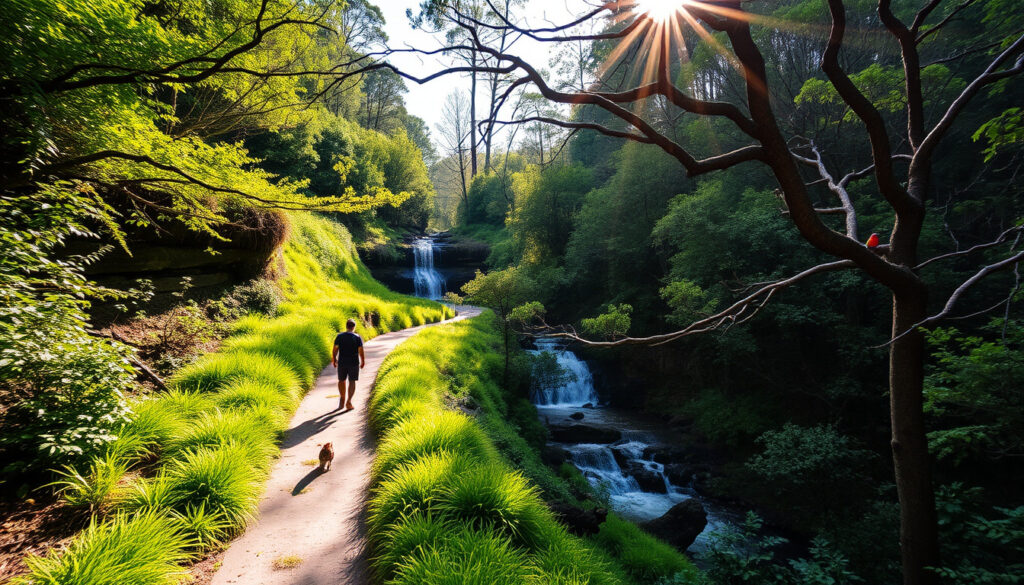
The 25-acre property connects diverse zones via well-maintained pathways that wind through forest wetlands, past trout and eel pools, and along boardwalks. The tractor-trailer ride offers a different perspective — shots from the trailer as it passes through different habitat zones, animals reacting to the vehicle’s movement. According to Neat Places, these rides and the lunchtime feed tours are among the reserve’s most popular activities for families.
Photography backdrops
- The Settlement: Staglands describes this as “a fantastic backdrop for photography enthusiasts” — an old pioneering village setting that contrasts naturally with wildlife. The weathered structures provide context and scale that pure animal portraits often lack.
- The Tarn: A picturesque open water area with boardwalks, slider turtles, black swans, and waterfowl. The combination of water reflections and bird activity makes this a strong spot for atmospheric shots, particularly in early morning when mirror-flat water is more likely.
The implication: Staglands has deliberately curated backdrops that go beyond the animals themselves. For photographers building a portfolio or social media series, these settings add narrative context that standalone wildlife shots typically miss.
Can you bring your own food to Staglands?
This is one of those questions where New Zealand’s strict biosecurity rules complicate what might otherwise seem like a simple answer. The reserve does not prohibit visitors from bringing food, but the underlying reason for the question matters — New Zealand’s border controls exist to protect native ecosystems from invasive species, and feeding wildlife with outside food products can undermine animal health even in a managed setting.
Picnic policies
The official Staglands website doesn’t explicitly state a blanket ban on outside food, but the reserve provides animal feed for purchase and encourages visitors to use their prepared rations rather than human snacks. The distinction matters because the animals’ digestive systems aren’t designed for processed foods, and habituating wildlife to accept human food can create problems when those animals encounter tourists at other sites.
NZ import rules context
New Zealand’s biosecurity laws apply throughout the country, not just at the border. Staglands, as a conservation-focused facility, operates within guidelines set by New Zealand’s Ministry for Primary Industries. According to GetYourGuide, the reserve is home to “unusual, iconic, and endangered species in natural habitat” — which explains the emphasis on proper feeding protocols.
Photographers should resist the temptation to bring bread, crackers, or processed snacks for the birds and goats. The reserve sells appropriate feed, and using it produces better photo opportunities — animals respond more predictably to food designed to attract their attention rather than whatever a visitor happens to have in a jacket pocket.
How long does it take to walk around Staglands?
Most visitors spend 2–3 hours at Staglands, according to TripAdvisor reviews. That’s a useful shorthand, but the actual experience depends on how quickly you move, how long you linger at feeding stations, and whether you take the tractor ride.
Trail lengths
The reserve’s official explore page describes interconnected pathways linking forest wetlands, aviaries, farm areas, The Settlement, and The Tarn. Exact distances aren’t published, but the 25-acre size and the zone-by-zone layout suggest visitors can reasonably expect to cover the main areas in 45 minutes at a brisk pace, or linger for two hours if they stop to photograph and interact at each location.
Full visit time
The tractor-trailer ride adds 15–20 minutes to a visit, and lunch feed tours typically run at midday. If you’re planning a photography-focused visit and want to capture animals during feeding times, factor in an additional 30 minutes beyond the standard 2–3 hour estimate.
Morning visits catch the animals at their most active and camera-ready, before afternoon heat reduces movement. The counterargument: late afternoon light is softer and more flattering for portraits, and visitors report better close-up shots around 3:00 PM. You can’t optimize for both on a single visit.
Is there food available at Staglands?
Yes. The on-site cafe serves food for human visitors, and the reserve provides animal feed for purchase. This dual offering means photographers don’t need to plan meals around the visit — a factor that simplifies logistics for day-trippers coming from Wellington.
Cafe offerings
The Staglands website confirms cafe availability, though current menus aren’t published online. Based on visitor reports, the cafe provides standard café-style options adequate for a lunch stop without requiring visitors to pre-plan meals. For photographers carrying gear, the cafe offers a welcome break and a chance to review shots while resting.
“Staglands offers a unique and exciting opportunity for people to feed and freely interact with wildlife in a natural environment.”
— New Zealand Tourism (regional tourism body)
Who owns Staglands?
Staglands Wildlife Reserve was founded by John Simister, a conservationist who established the reserve roughly 50 years ago as a personal project to protect birds and animals in their natural habitat. The reserve operates as a visitor attraction and conservation facility, with Simister’s original vision still evident in the emphasis on natural environments and interactive experiences. For those interested in virtual worlds, you can learn how to Grow a Garden Trade Roblox guide here. Grow a Garden Trade Roblox guide
Ownership history
According to WellingtonNZ, the reserve began as Simister’s childhood dream realised in the Akatarawa Valley. New Zealand Tourism describes Staglands as “a product of John Simister’s passion and vision for nature.” The exact legal structure of current ownership isn’t clearly documented in public sources — whether Simister still operates it directly, whether it transferred to family or institutional control, or whether it operates as a charitable trust.
Upsides
- Ranked #1 of 17 attractions in Upper Hutt — strong visitor endorsement
- Half-century operating history demonstrates staying power and animal care expertise
- Conservation-minded founder with documented vision for native species protection
- High ratio of interactive experiences to observation-only enclosures
- Strong TripAdvisor ranking signals consistent visitor satisfaction
Downsides
- Ownership structure unclear — visitors can’t easily verify governance or succession plans
- Exact founding date unspecified — makes long-term planning uncertain for conservation partnerships
- Seasonal and pricing information varies slightly across sources
- Website doesn’t publish precise trail lengths or detailed zone maps
What this means: prospective visitors should plan around the experience itself rather than expecting transparency on governance — the animal encounters and photography opportunities remain consistent regardless of ownership structure.
“Staglands Wildlife Reserve is an absolute gem! We had an amazing time feeding and interacting with the friendly animals.”
— Visitor review via Staglands Official
“The Settlement is a fantastic backdrop for photography enthusiasts.”
— Staglands Official
What this means: For Wellington-area residents looking for a reliable half-day activity, Staglands delivers proven value — it ranks above 16 other local attractions on TripAdvisor for good reason. For photographers specifically, the reserve offers something uncommon in New Zealand wildlife tourism: subjects that actively cooperate with the camera.
Related reading: New Zealand National Flower: Kōwhai Facts and Symbolism · Surf Forecast Lyall Bay: Reports, Cams, Tomorrow’s Conditions
Photography enthusiasts at Staglands often pair their visit with the nearby Nga Manu Nature Reserve, home to rare coastal birds and swamp forest trails.
Frequently asked questions
What animals are at Staglands Wildlife Reserve?
The reserve houses both native and exotic species including keas, kunekune pigs, Highland cattle (Monty and Maisy), donkeys (Jack and Daphne), fallow deer, peacocks, turkeys, Guinea fowl, goats, a sulphur-crested cockatoo named Rocky, mandarin wood ducks, lovebirds, black swans, and slider turtles. The aviary and farm areas alone contain dozens of species across the 25-acre property.
What are the opening hours of Staglands Wildlife Reserve?
Staglands is open daily from 9:30 AM to 5:00 PM. The reserve suggests arriving earlier in the day to maximise time with the animals before closing.
What are the entry prices for Staglands Wildlife Reserve?
Adult entry ranges from $24 to $29 depending on the source consulted. Child entry (ages 16 and under) is $12. Children aged 3 and under enter free. Pricing can vary slightly between the official site, tourism aggregators, and ticketing platforms.
Where is Staglands Wildlife Reserve located?
The reserve is located at 2362 Akatarawa Road, Upper Hutt, Wellington, New Zealand. It’s situated in the Akatarawa Valley, approximately an hour’s drive from Wellington City via the Hutt Valley state highway.
Is Staglands Wildlife Reserve family-friendly?
Yes. The reserve is ranked #1 of 17 attractions in Upper Hutt and is frequently described as suitable for all ages. The combination of tractor rides, animal feeding, and bush walks accommodates families with children of various ages. The on-site cafe provides a meal option, and the 2–3 hour visit duration fits a standard family outing without overstaying welcome.
What weather to expect at Staglands Wildlife Reserve?
The reserve sits in the Akatarawa Valley, which experiences typical Wellington-region weather — potentially changeable, with sun, rain, and wind possible in a single afternoon. Wellington is known for having “four seasons in a day,” and the valley can be several degrees cooler than the city. Check the forecast before your visit and layer accordingly.
What do reviews say about Staglands Wildlife Reserve?
TripAdvisor reviews consistently rate Staglands highly, with visitors praising the interactive animal experiences, the tractor ride, and the opportunity to hand-feed wildlife. Common positive themes: the animals are friendly, the setting is natural and scenic, and the 2–3 hour duration is well-spent. Criticisms occasionally mention variable pricing across platforms or the time required to reach the reserve from Wellington, but these are minor compared to the overall reception.
For photographers visiting from Wellington or planning a regional New Zealand itinerary, the choice is straightforward: Staglands delivers reliable subject matter in a curated setting, and the half-century track record suggests it will remain a viable destination for years to come. Book a morning slot, bring your longest lens, and plan to stay until feeding time.
More related posts
 Wet and Dry Vacuum: Best Picks, Worth It? Ireland Guide
 Chinese Gender Prediction Chart: Accuracy & How to Use
 When Is the Next Admin Abuse in Steal a Brainrot? Event Times
 Wooden Chopping Board NZ: Best Wood Types Compared
 JB Hi-Fi Riccarton: Store Details, Controversy, and FAQs
 Sri Lanka National Cricket Team – Captain, Coach, Squad, Schedule
 New Years Festivals NZ: Top NYE Events & Fireworks 2025
 The Curious Incident of the Dog: Summary, Controversy, and Age