How to Test if Eggs Are Off: Float Test, Shelf Life, and Safety
We’ve all been there: you crack an egg into a pan, and a wave of doubt washes over you. Is that faint smell normal? Has this carton been in the fridge a little too long? Before you toss a whole dozen, there’s a classic trick everyone swears by — the float test. But does it actually tell you if an egg is safe to eat, or is it just an old kitchen myth? We’re digging into the science of egg freshness, what the float test really measures, and the actual signs of spoilage and food poisoning you should watch for, so you can make an informed call without playing guessing games with your health.
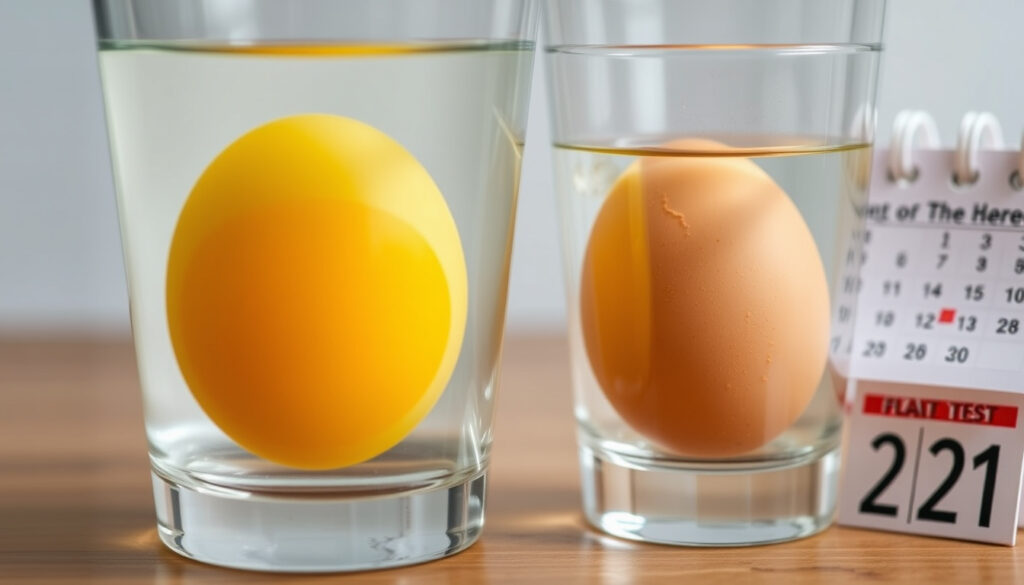
- Place egg in cold water
- Sink flat = fresh
- Upright or float = older, check further
- Crack egg into bowl
- No smell = good
- Sulfur or rotten smell = discard
- Refrigerated: 3-5 weeks from purchase
- Storage: coldest part of fridge, not door
- Temperature: below 40°F (4°C)
- Float test measures age, not bacteria
- Smell test after cracking is definitive
- Discard if any doubt
Here’s a snapshot of what you need to know about egg freshness and safety.
| Label | Value |
|---|---|
| Fresh egg sinks and lies flat | Sinks to bottom, horizontal |
| Floating egg indicates large air cell, not necessarily bad | Floats or stands upright |
| Refrigerated eggs: safe 3-5 weeks after purchase | 3-5 weeks |
| Symptoms of egg food poisoning: 6-48 hours after eating | 6-48 hours |
The float test is a quick ritual, but the science behind it is a bit more nuanced than “floats = bad.” Let’s unpack what’s really going on inside that shell.
What the Float Test Actually Measures
As an egg ages, it loses moisture through its porous shell, and the air cell inside grows larger. When you place an egg in water, a fresher egg with a smaller air cell will sink and lie flat on its side. An older egg will stand upright or even float because of that larger air pocket. However, according to wikiHow’s breakdown of the myth, an older egg is not necessarily a bad egg. The float test is a decent proxy for age, but age alone doesn’t determine safety.
- The misconception: Age and spoilage are often conflated, but they’re not the same thing.
- The caveat: A truly rotten egg can also float, but a floating egg might just be old and perfectly safe to cook with.
So, if the float test isn’t a foolproof safety check, what’s the real deal with egg storage and spoilage? Let’s look at the shelf life and what affects it.
Egg Shelf Life: How Long Do Eggs Really Last?
According to Healthfully, which references Department of Agriculture guidance, eggs can be safely consumed for a specific window when properly refrigerated. The key factors are consistent cold storage and starting with a good-quality egg.
- Refrigerator storage: Eggs can be safe for 3-5 weeks from the purchase date when kept in the fridge.
- Storage location: Keep eggs in the coldest part of the fridge, not the door where temperature fluctuates.
- Smell test first: A reliable method to check for spoilage is to smell the egg after cracking it. A foul or sulfur-like odor means it’s time to toss it.
The “3-5 weeks” rule is a general guideline, but the actual condition of the egg depends heavily on how it was stored and its initial quality.
But what happens when things go wrong? Let’s talk about the symptoms that really matter if you suspect you’ve eaten a bad egg.
Egg Food Poisoning: Symptoms and Onset
If an egg is contaminated with Salmonella, it can cause food poisoning, which is a more serious concern than just age. The contamination isn’t something you can see or smell in a raw egg, which is why relying on the float test alone can be risky. These symptoms typically begin within 6 to 48 hours after eating the contaminated food, according to the same source.
- Onset time: Symptoms generally appear 6-48 hours after consumption.
- Common symptoms: Nausea, vomiting, diarrhea, abdominal cramps, and fever are typical signs of Salmonella infection.
The float test won’t tell you if an egg has Salmonella. A sinking egg can still be contaminated, and a floating egg might be perfectly safe. The only reliable way to avoid food poisoning is proper cooking and handling.
Given that the float test is a bit of a gamble, what other methods can you use to check if your eggs are still good?
Alternative Methods to Test Egg Freshness
Beyond the float test, there are more reliable ways to assess egg quality. These methods focus on your senses and proper storage practices rather than just buoyancy.
- The smell test: Crack the egg into a bowl and give it a sniff. A fresh egg has little to no odor, while a spoiled one will smell distinctly of sulfur or rot.
- Visual inspection: Look at the white and yolk. A fresh egg has a firm, thick white and a domed yolk. If the white is runny and watery, or the yolk appears flat and breaks easily, the egg is older.
- Temperature check: Raw eggs should be kept below 40°F (4°C) to slow bacterial growth. If eggs have been left at room temperature for more than two hours, discard them.
According to the sources, an egg that floats should have its age questioned, but you should still rely on your senses to make the final call.
So, where does that leave us in the float test debate?
Practical Comparison: Deciding What to Do with Your Eggs
Here’s a practical comparison to help you decide what to do with that carton.
| Method | What It Indicates | Limitations |
|---|---|---|
| Float Test | Age of the egg (air cell size) | Doesn’t detect bacteria like Salmonella; a floating egg can still be safe. |
| Smell Test | Spoilage (sulfur odor) | Only works after the egg is cracked open. |
| Visual Inspection | Freshness (firm white, domed yolk) | Requires breaking the egg; doesn’t guarantee the absence of bacteria. |
| Date Label | Estimated shelf life | Not a safety guarantee, just a best-before estimate. |
The float test is a simple, low-cost screening tool, but it shouldn’t be your only line of defense. It can tell you if an egg is old, but it can’t tell you if it’s contaminated. A truly spoiled egg will almost always smell bad when cracked, and that’s your most reliable signal.
Don’t use the float test as the sole determinant of food safety. A truly rotten egg will float due to gas buildup, but an old egg that has simply lost moisture will also float. As noted in the wikiHow and CNET sources, an egg that floats could still be perfectly fine to eat, while a fresh-looking egg that sinks could be harboring harmful bacteria that you can’t see or smell until it’s too late.
healthline.com, foodstoragecheck.com, healthline.com, healthline.com, larderlane.com, torontofirstaidcpr.ca, featheredfarmlife.com, mykitchengallery.com, allfitwell.com
FAQ: Egg Freshness and Safety Questions
Is the float test a reliable way to tell if eggs are bad?
The float test tells you about the egg’s age (the size of its air cell), but it doesn’t detect spoilage bacteria. A floating egg is likely old, but it may still be safe to eat, while a sinking egg could theoretically be contaminated.
How long do eggs actually last in the fridge?
Refrigerated eggs are generally safe for 3 to 5 weeks after purchase, as long as they’re stored consistently in the coldest part of the fridge, not the door.
What are the first signs of egg food poisoning?
Symptoms of Salmonella from eggs include nausea, vomiting, diarrhea, abdominal cramps, and fever. These typically appear between 6 and 48 hours after eating the contaminated food.
What should I do if I think an egg is bad but it sinks?
If an egg sinks but has a foul smell when cracked, or if the white or yolk looks unusual, throw it away. The float test only measures age, not safety.
Can you still eat eggs that float?
It may just be old, as the air cell has grown over time. The only way to be certain is to smell and visually inspect it after cracking.
How to tell if eggs are too old to eat?
Check the date label, but also use the smell test after cracking. If the egg has a sulfur odor or the white is watery and the yolk is flat, it’s past its prime.
Are 4 month old eggs safe to eat?
Generally no, if they’ve been refrigerated the entire time they might still be safe, but 4 months exceeds the recommended 3-5 week window. When in doubt, discard.
How long after eating a bad egg will I feel sick?
Symptoms typically appear 6 to 48 hours after eating a contaminated egg. If you experience severe symptoms, seek medical attention.
What happens if you cook a bad egg and eat it?
Cooking kills Salmonella bacteria, but it won’t neutralize the toxins produced by spoilage bacteria. A rotten egg can still cause digestive distress even when cooked.
How to tell if eggs are bad after cracking?
Smell is the most reliable indicator. A fresh egg has no odor; a spoiled one smells like sulfur or rot. Also check the color and consistency of the white and yolk.
Final Takeaway: What the Float Test Really Tells You
The float test is a fun, low-cost experiment, but it’s not a food safety guarantee. If an egg floats, crack it into a separate bowl and check the smell and appearance before using it. If it sinks but smells off, trust your nose over the water. The only definitive test for spoilage is your sense of smell after cracking the egg open, paired with proper refrigeration and cooking practices.
So next time you’re staring at that carton with uncertainty, you’ll know exactly what to do. Check the date, feel confident about your fridge habits, and when in doubt, crack it into a bowl and give it a sniff. Your taste buds and your stomach will thank you.