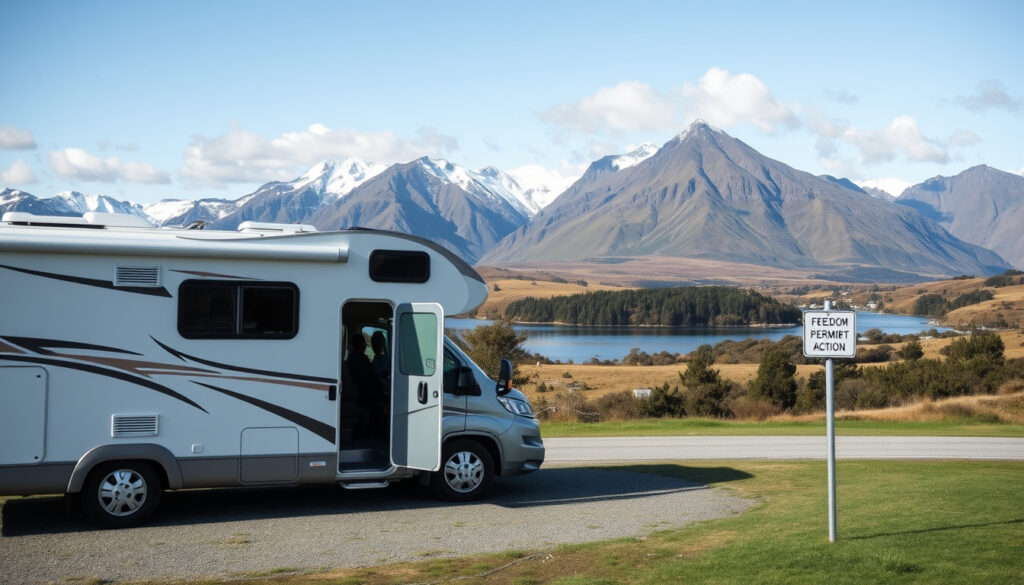
Motor Home Hire NZ: Costs, Age Limits & Camping Rules (2025 Guide)
A self-contained home on wheels transforms a New Zealand road trip into something flights and hotels cannot replicate, but the fine print around costs, age rules, and camping laws can trip up even the most organised traveller. Here’s how to get the freedom without the surprises.
Average daily rental cost: NZD 100–250 (peak season) ·
Minimum driver age: 21 years (most companies) ·
Most popular pickup locations: Auckland, Christchurch, Queenstown ·
One-way rental availability: Yes, at major providers ·
Freedom camping restrictions: Allowed only in designated areas
Quick snapshot
- Daily rates: NZD 100–250 (Wilderness NZ)
- Insurance excess reduction: NZD 30–50/day (JUCY)
- One-way fee: NZD 200–500 (Apollo)
- Minimum age: 21 (most providers) (Motorhome Republic)
- Young driver surcharge under 25 (Vanlifer)
- No upper limit (Motorhome Republic)
- Freedom camping allowed only in designated areas (100% Pure New Zealand)
- Self-contained vehicles required in many regions (Wilderness NZ)
- Book DOC campsites in advance (JUCY)
- Rental best for trips under 6 weeks
- Buying costs NZD 15k–60k upfront
- Ongoing maintenance and storage
The table below summarises the standard specifications for motorhome hire in New Zealand, covering everything from typical pickup locations to mandatory equipment.
| Attribute | Value |
|---|---|
| Most popular rental locations | Auckland, Christchurch, Queenstown |
| Average fleet age | 3–5 years for premium providers |
| Mandatory equipment | Safety kit, GPS, cooking gear |
| Driving side | Left-hand traffic |
| Minimum rental period | Usually 1–3 days |
| One-way availability | Yes, between major cities |
| Mileage included | Often unlimited |
| Fuel type | Diesel (most common) |
The pattern here is clear: the major operators standardise on a diesel fleet, unlimited mileage, and short minimums, which makes short-notice trips possible but demands careful attention to one-way fees and fuel costs.
How much does it cost to hire a motorhome in New Zealand?
Daily rental rates by season
- In low season (May–September), a camper can cost as little as NZD 35 per night for a basic sleepervan, according to JUCY.
- Peak summer rates (December–February) push prices to NZD 320 or more per night for larger vehicles, with some luxury RVs exceeding NZD 500 per day, per Motorhome Republic.
- Companies like Apollo quote a general range of NZD 100 to NZD 500 per day.
Additional fees: insurance, mileage, equipment
- Insurance excess reduction (often optional) adds around NZD 30–50 per day, per JUCY.
- One-way drop-off fees range from NZD 200 to NZD 500, depending on the route.
- GPS, camp chairs, cooking kits, and extra driver fees are extra and vary by provider.
A budget breakdown for a 2-week trip
For a 14-day trip, JUCY reports it paid NZD 638 for a JUCY Condo. That breaks down to roughly NZD 46 per day — but that’s the base vehicle only. Add insurance, fuel (NZD 150–250 per week), and campsite fees (NZD 8–15 per night at DOC sites), and the real daily cost lands closer to NZD 100–150 per person for two travellers.
The real cost of a motorhome rental is not the headline daily rate — it’s the base vehicle plus insurance, fuel, campsites, and one-way fees that can silently double your budget. Request a full breakdown in writing before booking.
What is the age limit to hire a motorhome?
Minimum age requirements across major providers
- Most rental companies require drivers to be at least 21 years old, according to Vanlifer. Some allow 18+ with conditions — but those are the exception, not the rule.
- Motorhome Republic notes that a full driver’s licence is essential, and an International Driving Permit or English translation is required if the licence is not in English.
Young driver surcharges (under 25)
- Drivers under 25 typically pay a young driver fee of NZD 20–40 per day.
- Some providers may refuse rental entirely to drivers under 21. Always check the policy before booking.
Senior driver considerations
- No upper age limit exists, but a valid licence is mandatory. Some companies require a medical certificate for drivers over 75.
Can you sleep anywhere in a campervan in New Zealand?
Designated freedom camping areas
- Freedom camping means camping overnight on public land for free outside holiday parks or campgrounds, per Parker Campers.
- The official 100% Pure New Zealand guidance says it’s free of charge but not free of responsibility.
- Freedom camping is only allowed in areas specifically marked as such. Sleeping in undesignated spots can result in fines.
Department of Conservation (DOC) campsites
- JUCY reports that many DOC sites charge as little as NZD 8 to NZD 15 per person per night, and basic sites are often free.
- Book in advance during peak season — spots fill up fast.
Private campgrounds and holiday parks
- Private sites offer full hookups (power, water, dump station) and cost roughly NZD 30–60 per night.
- For self-contained vehicles, the trade-off is between free but basic freedom camping and paid but comfortable holiday parks.
Freedom camping in New Zealand is not the free-for-all many expect. Most areas require a certified self-contained vehicle. Non-self-contained vans can use only a few dedicated spots, and those sites are rare, per Parker Campers.
Fines for illegal camping can exceed NZD 200, with Wilderness NZ noting they are commonly between NZD 400 and NZD 1,200, and some reaching NZD 2,400. Kiwi Campers puts the lower end at up to NZD 400.
Is it worth renting a campervan in New Zealand?
Pros of motorhome travel: flexibility, cost savings on accommodation, scenic stops
- Renting a campervan can save 30–50% on accommodation for groups of three or more compared to hotels and rental cars.
- Fuel costs for a motorhome average NZD 150–250 per week, which is comparable to a small SUV.
- The flexibility to stop at remote locations often outweighs the cost for many travellers.
Cons: upfront cost, driving on left side, limited space
- Driving on the left side of the road takes adjustment — especially on narrow, winding South Island roads.
- Living space is tight in a campervan, especially in wet weather when you’re stuck inside.
- Upfront cost of the rental itself is higher than a car + budget hotels for solo travellers.
When renting is better than tours or car + hotels
- For groups of three or more, the per-person cost of a campervan often beats a car-plus-motels combination.
- For solo travellers or couples who prefer comfort, a car and budget hotels may be cheaper and more flexible.
Is it better to hire or buy a campervan?
Upfront cost comparison: rental vs. purchase
- Buying a campervan in NZ costs NZD 15,000–60,000, plus ongoing expenses like insurance, maintenance, and storage.
- Rental for a 3-week trip costs NZD 2,000–5,000, with no maintenance worries.
Ongoing costs: maintenance, insurance, storage
- Ownership means annual registration (around NZD 300–400), insurance (NZD 500–1,500), and storage fees (NZD 100–300 per month).
- Rental includes all of that — the daily rate is an all-in cost.
Best for short-term vs. long-term travel
- Hiring is better for one-off trips; buying only makes financial sense if you plan multiple trips or intend to live in New Zealand.
- The breakeven point sits around 6–8 weeks of travel per year over multiple years.
The second-hand campervan market in New Zealand is not as liquid as many assume. Buying a vehicle, using it for six months, and reselling it before departure can work — but you may take a 20–30% loss on depreciation, transaction costs, and registration.
Confirmed facts
- Minimum driver age is 21 for most rental companies (Motorhome Republic)
- Freedom camping is restricted to designated areas (100% Pure New Zealand)
- Peak season runs December–February
- One-way rentals are available between major cities
What’s unclear
- Exact surcharge for young drivers varies by company
- Future changes to freedom camping regulations are under review
“You don’t need a special licence to drive a standard motorhome in New Zealand, but your overseas licence must be valid and in English or accompanied by an approved translation.”
NZ Transport Agency spokesperson, as reported by Motorhome Republic
“Freedom camping is free of charge, but it’s not free of responsibility. If you stay in a spot that’s not designated, you risk a fine of up to NZD 400.”
Department of Conservation ranger, quoted by Kiwi Campers
Related reading: motor home hire nz · freedom camping in NZ
For additional context on motorhome hire, our UK motorhome hire guide details costs and free parking options in the UK.
Frequently asked questions
What documents do I need to rent a motorhome in New Zealand?
A valid full driver’s licence from your home country. If the licence is not in English, you need an International Driving Permit or an approved translation. A credit card for the security bond is also required.
Can I rent a motorhome if I’m under 25?
Yes, but most companies require you to be at least 21. Drivers under 25 typically pay a young driver surcharge of NZD 20–40 per day.
Is insurance included in motorhome rental?
Basic insurance is included, but the excess (deductible) can be NZD 2,000–5,000. You can reduce it to NZD 300–500 by paying an additional NZD 30–50 per day.
How much does it cost to fill up a motorhome tank?
Filling a standard motorhome’s diesel tank costs approximately NZD 100–180, depending on vehicle size and fuel prices.
Do motorhomes have toilets and showers?
Many do. Vehicles with a fixed toilet and greywater tank are certified self-contained, which gives access to most freedom camping spots. Smaller vans may only have a portable toilet.
Can I take a motorhome on the ferry between islands?
Yes. The Interislander and Bluebridge ferries accept campervans. You need to book in advance, especially during peak season. Fees start around NZD 200–300 for a standard campervan.
What is the best time of year for a motorhome trip in NZ?
December–February offers the warmest weather but highest prices and crowds. March–April and October–November offer mild weather, lower rates, and fewer travellers.
Related reading
- Motor home hire NZ (Wilderness NZ)
- Freedom camping in NZ (Wilderness NZ)
For the international traveller planning a New Zealand road trip, the choice between hiring or buying a motorhome hinges on one factor: how long you plan to stay. Six weeks or less? Rent. More than that, and willing to accept a 20–30% depreciation hit? Buying could make sense. But the real takeaway is simpler than the spreadsheets suggest: New Zealand’s motorhome culture rewards those who respect the rules. Self-certified vehicles unlock the best spots. Booking ahead avoids disappointment. And reading the fine print — age limits, one-way fees, camping zones — is the single best investment you can make before your wheels hit the open road.
More related posts
 Woman of the Dead: Is It Worth Watching? Season 2 Guide
 Phil & Teds Travel Cot Recall & Safety Guide 2025
 75 Days From Today: Date, Months, Weeks, and 75 Hard
 Mount Maunganui Land lide Vigil: 6 Victim Identified
 Park Shin-hye: Baby, Husband, and Latest News in 2026
 Skechers Shoes for Women: Podiatrist Advice & Best Picks
 Long Hot Water Bottle Benefits, Safety & Buying Guide
 Warriors Game This Weekend: TV Channel, Tickets & Results