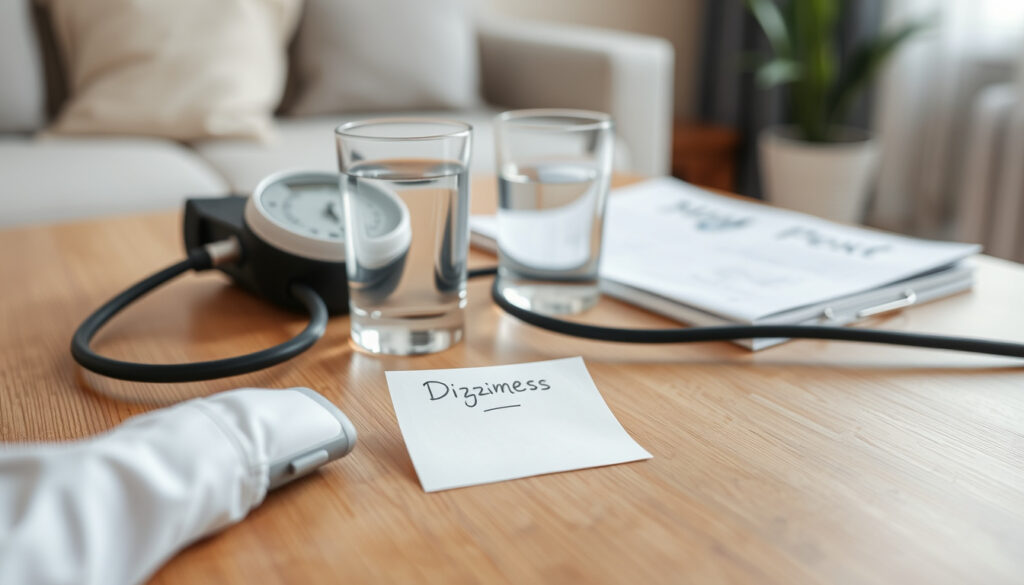
Low Blood Pressure Symptoms: Causes & When to Worry
You know that dizzy feeling when you stand up too fast? Sometimes it’s just a moment of lightheadedness, but other times it can signal something more serious. Low blood pressure, or hypotension, becomes a concern when it causes symptoms like dizziness, fainting, or signs of shock, according to the Cleveland Clinic (a leading U.S. hospital system). Know the warning signs and when to take action.
Definition: Low blood pressure becomes concerning when symptoms appear (Cleveland Clinic) ·
Common cause: Dehydration is a primary cause (Mayo Clinic) ·
Emergency sign: Fainting with confusion warrants ER (Cleveland Clinic)
Quick snapshot
- Blood pressure below 90/60 mmHg is considered hypotensive (NHS (UK health authority))
- Dehydration lowers blood volume and can trigger low BP (Mayo Clinic)
- Certain medications (e.g., diuretics, beta-blockers) can cause hypotension (Cleveland Clinic)
- Optimal treatment for asymptomatic low blood pressure (Mayo Clinic)
- Long-term effects of mild chronic hypotension (MedlinePlus (NIH library))
- Symptoms can appear suddenly when standing (orthostatic hypotension) (Mayo Clinic)
- Fainting or confusion signals a need for urgent care (MedlinePlus)
- Increase fluid intake and consider more salt (under medical advice) (Mayo Clinic treatment guide)
- Consult a doctor if symptoms persist or worsen (NHS)
What is the cause of low BP?
Common causes of hypotension
- Dehydration reduces blood volume and is a frequent trigger, especially in hot weather or after illness (Mayo Clinic (American medical research center)).
- Blood loss from injury or internal bleeding can quickly drop pressure (Cleveland Clinic).
- Heart conditions such as bradycardia, heart valve problems, or heart failure impair the heart’s ability to pump enough blood (Mayo Clinic).
- Endocrine disorders like thyroid disease, adrenal insufficiency, and diabetes can interfere with blood pressure regulation (Cleveland Clinic).
Dehydration and blood loss
When you lose more fluid than you take in—from sweating, vomiting, diarrhea, or bleeding—your blood volume decreases, and pressure drops. The NHS (UK health authority) notes that severe dehydration can lead to hypotension requiring medical attention.
Heart conditions and medications
- Beta-blockers, diuretics, antidepressants, and medications for erectile dysfunction are common culprits (Cleveland Clinic).
- Advanced age increases the risk of medication-induced low blood pressure, especially with multiple drugs (Mayo Clinic).
Dehydration is the most preventable cause of low blood pressure, yet many people overlook it until symptoms appear. A 1% loss of body fluid can already trigger dizziness.
The implication: Most cases of symptomatic low BP can be traced back to something you can control — fluid intake, medication review, or underlying conditions.
How do you treat low blood pressure?
First-line treatments
- Increase fluid intake: Drinking 6 to 8 glasses of water daily helps maintain blood volume (Mayo Clinic treatment guide).
- Increase salt intake cautiously: Adding more salt to meals can raise blood pressure, but only under a doctor’s supervision (Mayo Clinic).
- Wear compression stockings: They prevent blood from pooling in the legs and improve circulation (NHS).
Medication adjustments
If a drug is causing low BP, your doctor may change the dosage or switch to an alternative. Prescription options like fludrocortisone or midodrine are available for chronic symptomatic hypotension. The Mayo Clinic advises that these are reserved for cases that don’t respond to lifestyle changes.
Lifestyle changes
- Small, frequent meals prevent postprandial hypotension—a drop after eating (Mayo Clinic).
- Get up slowly from lying or sitting to give your body time to adjust (NHS).
- Counter-maneuvers: If symptoms begin while standing, cross your thighs and squeeze, or place one foot on a ledge and lean forward (Mayo Clinic).
Most people with low BP need only simple lifestyle tweaks. But for those on multiple medications, the risk of interaction means any change should be discussed with a doctor first.
The pattern: Treatment is almost always incremental — start with fluids, add salt cautiously, then consider medical options if symptoms persist.
What is the danger zone for low blood pressure?
Four thresholds separate benign low readings from medical emergencies. One pattern: the lower the pressure, the greater the risk of inadequate blood flow to vital organs.
| Stage | Systolic (top number) | Diastolic (bottom number) | What it means |
|---|---|---|---|
| Normal | 90–120 mmHg | 60–80 mmHg | Healthy range |
| Low (asymptomatic) | < 90 mmHg | < 60 mmHg | Often harmless if no symptoms |
| Symptomatic low | < 90 mmHg | < 60 mmHg | Dizziness, fainting, nausea may occur |
| Critical (shock) | < 70 mmHg | < 40 mmHg | Organ failure risk – call 911 immediately |
The MedlinePlus (NIH library) states that shock is a medical emergency when severe hypotension reduces oxygen delivery. The Cleveland Clinic adds that a blue tint to lips or fingernails is a red flag.
Why this matters: A systolic reading below 70 mmHg combined with confusion or fainting means blood flow to the brain is critically low. Every minute counts.
The catch: A number alone isn’t the danger — it’s the combination of a low reading with symptoms that turns a benign condition into a medical emergency.
What should you eat when your blood pressure is low?
Foods that raise blood pressure
- Salty foods: Salted nuts, pretzels, or broth can temporarily increase blood pressure (Mayo Clinic).
- Fluids containing sodium: Tomato juice or sports drinks provide both fluid and salt (NHS).
- Caffeine: A cup of coffee may give a short-term lift, but effects vary (Mayo Clinic).
Hydration tips
Water is the best choice. Alcohol can dehydrate and lower pressure further. The Mayo Clinic recommends limiting alcohol to avoid drops.
Meal timing
Large, carb-heavy meals can trigger postprandial hypotension. The NHS (UK health authority) suggests small, frequent meals and lying down after eating if symptoms occur.
Salt raises pressure but risks long-term health issues like heart disease – use only under medical guidance. Fluid, especially water, is the safest immediate bet.
The implication: Diet adjustments for low BP are a balancing act — you need to raise pressure without inviting other health problems.
When to worry if blood pressure is low?
Symptom severity
- Dizziness that leads to fainting (syncope) requires evaluation (Mayo Clinic).
- Blurred vision, confusion, or nausea can precede fainting (MedlinePlus).
- Chest pain or shortness of breath with low BP is a medical emergency (Cleveland Clinic).
Underlying conditions
Conditions like anemia, diabetes, or Parkinson’s disease can make low BP more dangerous. The Mayo Clinic notes that especially in people over 65, orthostatic hypotension raises fall risk.
Age-specific considerations
- Older adults: Falls and confusion are common red flags; even a single fainting episode merits a doctor visit (NHS).
- Young adults: Dehydration and prolonged standing are frequent triggers; symptoms usually resolve with rest and fluids (Mayo Clinic).
Confirmed facts
- BP < 90/60 mmHg is hypotensive (NHS)
- Dehydration lowers blood volume (Mayo Clinic)
- Certain medications cause hypotension (Cleveland Clinic)
- Shock with confusion is an emergency (MedlinePlus)
What’s unclear
- Optimal treatment for asymptomatic low BP
- Long-term effects of mild chronic hypotension
The pattern: When low BP meets confusion, chest pain, or fainting, it’s no longer a question of lifestyle tweaks — it’s a call to 911.
“Most people with low blood pressure don’t need treatment. They should only be concerned if symptoms appear.”
— Dr. Sheldon Sheps, Mayo Clinic
“Severe hypotension can be life-threatening because it reduces oxygen delivery to the brain and organs.”
carehospitals.com, mayoclinic.org, healthdirect.gov.au, goodrx.com, crm.hfe.co.uk, int.livhospital.com, themoc.co, cardiovasculardiseasehub.com
Für Betroffene ist es wichtig, die Symptome zu erkennen und ursachen und behandlungen von niedrigem blutdruck rechtzeitig zu verstehen.
Frequently asked questions
Can low blood pressure cause headaches?
Yes, some people with hypotension report headaches, especially if the drop is sudden. But headaches alone are not a reliable indicator. The Mayo Clinic notes that associated dizziness or fainting is more specific.
Does low blood pressure make you tired?
Fatigue is a common symptom of low blood pressure, especially when it reduces blood flow to muscles and organs. The MedlinePlus lists sleepiness as a symptom.
Is low blood pressure more dangerous than high blood pressure?
Both extremes can be dangerous. Chronic low BP is usually less risky than chronic high BP, but acute severe hypotension (shock) is immediately life-threatening. The American Heart Association says low BP is typically less harmful unless it causes symptoms or organ damage.
Can anxiety cause low blood pressure?
Anxiety is more often linked to high BP, but fainting due to anxiety (vasovagal syncope) can cause a temporary drop. The Mayo Clinic distinguishes this from chronic orthostatic hypotension.
What is the best position to sleep with low blood pressure?
Sleeping with the head of the bed slightly elevated (10–30 degrees) may help reduce morning dizziness. The NHS also recommends rising slowly after waking.
How quickly can low blood pressure be raised?
Drinking water can raise pressure within minutes. Adding salt may work within 30–60 minutes. Medication adjustments take days to weeks. The Mayo Clinic recommends the quickest safe action is to lie down and elevate the legs.
Can low blood pressure be a sign of heart problems?
Yes, especially if paired with chest pain, palpitations, or shortness of breath. Conditions like bradycardia, heart failure, and valve disease can cause chronic hypotension. The Cleveland Clinic advises prompt cardiac evaluation in such cases.
Related reading
More related posts
 Māori Name for Wellington: Te Whanganui-a-Tara, Pōneke
 12 Rules for Life: Summary, Review, and Author Credibility
 How to Call Australia from NZ: Dialing Steps & Costs
 Cashmere High School Zone: Map, Decile & Enrolment
 Cheape t Van Hire Auckland: Compare Price from $15/day (2025)
 Chelsea vs Liverpool Timeline: Head-to-Head History
 How Many Teaspoons in a Tablespoon? US-UK Guide + Chart
 Chinese Gender Prediction Chart: Accuracy & How to Use